
-
News
- 19 hours ago
Back-to-back heartbreak for the Dutch: How the Netherlands failed at World Cup 1978
9 Jun 2026 00:30 CDT |
6 min read
Analysis

After losing the 1974 final, defeat in the 1978 final – yet again to the World Cup host nation – spelled the end of the Oranje era. But the physicality on display during the contest only served to underline the place the 1978 epic must hold in soccer history...
After being beaten 2-1 in 1974 by West Germany, the Dutch era must now surely be at an end after their failure against all the odds in the River Plate Stadium, Buenos Aires, to Argentina, where for the second time Rudi Krol and Co. were denied the victory they so manifestly deserved.
And if the Netherlands are bitter in defeat, they have every excuse after the cynical tricks pulled by the Argentines and the organisers before the football had even begun.
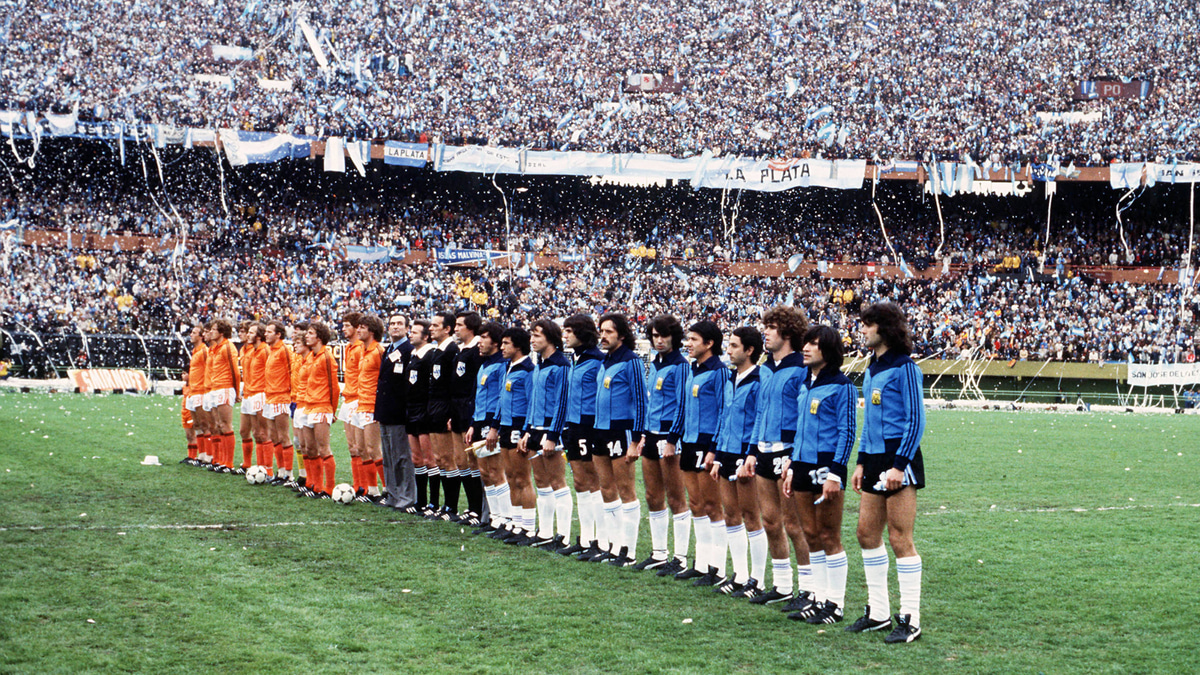
It was unforgivable that the Dutch team should have been allowed to walk out on their own before the start. It was unforgivable that they should have been kept waiting five minutes by their ill-mannered hosts. And it was unforgivable of the Argentines to make such a calculated fuss about Rene van de Kerkhof’s arm injury protection.
All this after the Argentine team, and more especially their fans and the people of their country, had been such attentive hosts. It left a bad taste in the mouth. But that initial drama will also add to the legend of this game. It was no classic football match. It was a battle.
The Dutch were certainly the more openly rugged of the sides, but referee Sergio Gonella and his linesmen – Erich Linemayr and Ramon Barreto – must carry a lot of blame for the off-the-ball incidents which were left unpunished.
Too many times a stray elbow would catch a player in the face. Too many times a malicious shove in the back followed a tackle. Too many times Gonella just wasn’t in touch with what was going on.
But let’s forget about Gonella. Fortunately he wasn’t involved in any controversial moments on the goals. Aside from the organisational provocation the Dutch felt, it remains to be said that they didn’t win because of their own failings in front of goal. As simple as that.
Johnny Rep had a clear header after six minutes, and saw Ubaldo Fillol make an excellent save from a shot in the 27th. Fillol saved brilliantly with his foot from Rob Rensenbrink almost on half-time, and after all their second-half pressure, which culminated in substitute Dick Nanninga’s 82nd-minute equaliser to Mario Kempes’ first-half goal, in the last minute of normal time Rensenbrink hit the post.
For decades Argentina has been the greatest producer of skilled footballers in the world
- For the Dutch those moments won’t bear thinking about. But Kempes it was who turned himself not only into the Argentine hero but into the tournament’s top scorer with six goals when he scored the second in the 15th minute of extra-time and then laid on Daniel Bertoni’s clincher with five minutes left.
Kempes was, for me, the player of the tournament. Too much of his time he spent idling lazily on the fringes of play, but when he decided the time was ripe for another burst, few defenders could get near him.
His opening goal was beautifully conceived and taken. Two square passes came in from the left, from Osvaldo Ardiles and Leopoldo Luque, there was a defensive hesitation, and Kempes slipped in to sidestep a defender and beat Jan Jongbloed from close range.
His second goal was similar. This time he took the pass from Bertoni and had to scramble over Jongbloed to put the ball in at the second attempt. Finally he worked the one-two with Bertoni which saw the latter tie up the title.
The Dutch worked bravely to try to deny them. In Rudi Krol, Johan Neeskens, Arie Haan and Willy van de Kerkhof they had players whose skill, stamina and self-sacrifice confirmed them as giants of present-day football.
But having poured all this praise on the Dutch – the better team on the day, with greater class and poise – what about our new world champions?
For one thing, the Argentines showed far greater consistency throughout the finals. The Dutch played inconsistently in the first round – rank badly against Scotland where Archie Gemmill scored a memorable goal – thrashed Austria, drew well with West Germany, then scraped past Italy.
Argentina started the tournament at 100mph and stepped up the tempo as the finals went on. The odd point was that, come the final, they slowed down. For a long time it looked as if they had given their all getting to the last day and had nothing left to offer.
That might have been true for some of the players. But there were others who were superb. Fillol in goal for a start. Some might say he was lucky to save with his foot from Rensenbrink but he had spread himself well, and was exceptionally quick to scramble across. The best goalkeeper of the tournament?
Perhaps the final made him just that. Then there was skipper Daniel Passarella, one of the most physically fearsome players in the finals. Not just for his tackling, but for his total commitment to the cause of Argentina which too often took him not only beyond the call of duty, but beyond the rules too. Passarella had been a disappointment to himself in the earlier games, but in the final he was tremendous.
Then Americo Gallego. Very much the unsung player, but a key man tactically. It was Gallego’s solid work back in the centre of defence which kept Argentina on an even keel in the second half. Alongside him in midfield Ardiles had his best game of the finals, too, until the constant hacking which he had suffered from the start of the tournament forced his substitution.
And if for once striker Luque was a disappointment, well covered by Ernie Brandts and then Willy van de Kerkhof, as the Dutch pushed forward in the second half, there was always the danger of winger Bertoni leaving his markers behind on the slippery pitch.
There was always going to be goals in the game. Neither defence was particularly sound and the Argentines bravely maintained their all-out philosophy by maintaining three men up in attack even when the defence was under pressure.
That is to the credit of 39-year-old manager Cesar Luis Menotti. He took over four years ago knowing that his responsibility was to change the face of Argentine soccer. He had to instil a sense of fair play and a desire to attack, attack, attack in players whose clubs wanted only defensive football and sharp practice. Victory for Argentina was a grand triumph for Menotti.
“For decades Argentina has been the greatest producer of skilled footballers in the world. For too long these skills have been hidden by the win-at-all-costs attitude of too many directors and managers. Here’s hoping that Menotti’s example will set the tone for a new age in Argentine soccer.
Just as the Dutch have given our game so much, especially over the past few years, so Argentina has the resources and talent too.
By Keir Radnedge.
Read more about:
World Cup U20