
-
News
- 1 hour ago
Gay former footballer blames societal problems for players not coming out
3 min read
News

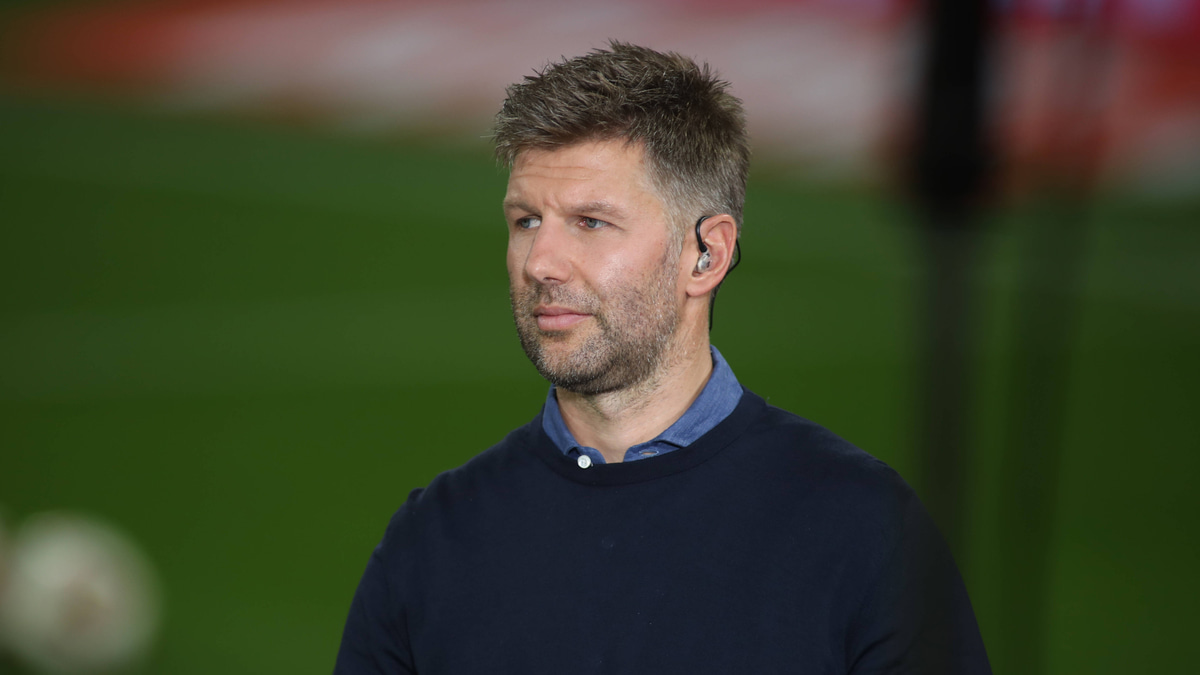
Thomas Hitzlsperger, one of the very few openly gay footballers in the history of British football, believes societal problems are the reason for playing not coming out as homosexual.
The German, who moved to Aston Villa when he was just 18, represented the likes of Stuttgart, Lazio, West Ham, Everton and Wolfsburg in addition to the Villans in his career.
Hitzlsperger publicly came out as gay in January of 2014, four months after retiring from professional football. He announced it in an interview with the German newspaper Die Zeit, explaining that he had only come to understand his sexuality clearly in the preceding few years and felt that, after his playing career had ended, it was the right time to speak publicly.
Despite his bravery in coming out as a footballer in a sport that can be marred by toxic masculinity, there have been no Premier League players who have come out since.
He believes that, much like the racism that continues to cast a shadow over football, homophobia comes from society.
"In terms of homophobia, society is the biggest challenge," Hitzlsperger said, as quoted by FourFourTwo.
"The world has become a tougher place and, in relation to discrimination, it’s quite sad. Racism, like homophobia, is also a big issue in society and of course football.
"Sometimes people will ask 'Why can’t we just watch football?' I get that, but we have a responsibility to speak out on societal issues, because the game is so influential.
"In terms of tackling homophobia, there have been great initiatives – clubs and federations have all participated.
"Unfortunately, in this debate people often say there’s no development, because hardly any [men's] player has come out. I’d disagree in the sense that the game has got involved in initiatives, such as rainbow armbands. During a week midway through the 2024-25 Premier League season, 19 of 20 captains wore them, which was the vast majority.
"There’s sometimes this media obsession on focusing on a couple who step out of line and cause friction, but I’d argue we’ve come a long way by seeing so many high-profile Premier League players wearing the armbands.
"That’s massive and we should really talk about that and the progress we’ve made, rather than always getting obsessed with the few who disagree with diversity and live a different life to what is mainstream.
Even though not everyone agrees with initiatives such as the Rainbow Laces campaign, he believes it is important to recognise those who do support the cause.
"I’d like us to focus on telling more positive stories, rather than focusing on the negative ones," the 44-year-old continued.
"I know a lot of people who take the issue of homophobia in football very seriously and they’re constantly trying to make football a more inclusive environment.
"However, we also have to admit that the game is purely about money. There have been a number of initiatives that had been built up over the years that have since been reduced - and equality, diversity and inclusion isn’t so popular any more because various people think it’s become too much.
"I’ve met so many people within football who are still passionate about being in an inclusive environment, which is great, but that isn’t in the news every day.
"The primary reason we’re there is to play football and enjoy the game, but alongside it there are so many opportunities to really engage with people from all backgrounds and assure them that football is there for them, too.
"However, the reality is that there are very few openly gay male footballers. It’s rooted in toxic masculinity, but life is toxic and that’s the sad thing.
"We talk about players not wanting to come out during their playing days because the environment might be toxic but after their playing career has finished, some players don’t come out either, because they’re scared of society."
In 1990, Justin Fashanu publicly came out as gay in an interview with The Sun, becoming the first prominent British professional footballer to do so. His announcement was met with widespread homophobia, including hostility from sections of football, including rival supporters during matches. Despite this, Fashanu continued playing professionally for several clubs, including Notts County, Torquay United, Airdrieonians and Hearts.
Fashanu retired from professional football in 1997 and later moved to the United States. In 1998, he was investigated following an allegation of sexual assault, which he denied. He returned to England and, on 2 May 1998, died by suicide at the age of 37.
His death brought renewed attention to the intense pressures and homophobia he had experienced throughout his career. His legacy has since been recognised more positively: in 2020, he was inducted posthumously into the National Football Museum Hall of Fame.
Read more about:
Premier League
A. Villa