
-
News
Why every World Cup ball affects the game in a different way each fixture
2 min read
News

The 2026 World Cup ball acts differently in every game, depending on factors like the weather, in the opinion of former goalkeeper Kasper Schmeichel.
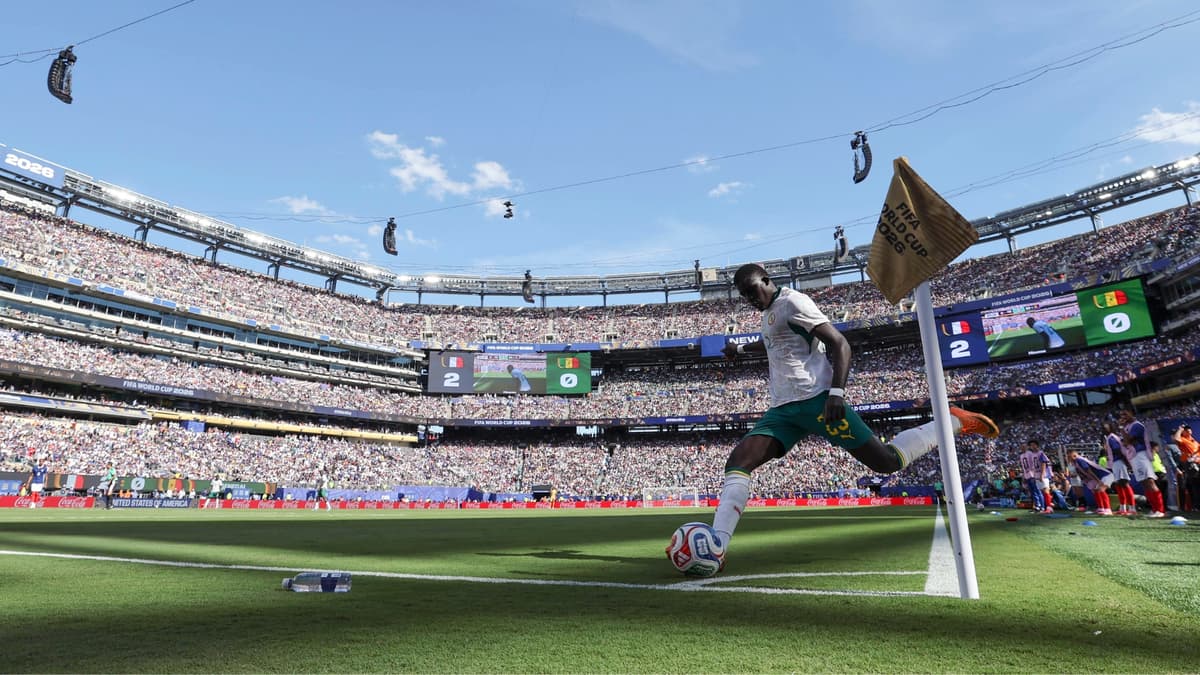
The match ball for the 2026 edition of the World Cup is called the ‘Trionda’ and it features each host country’s main colour - red, blue and green. The World Cup trophy is also present on the design.
Though it hasn't garnered as much controversy for its flight and unpredictability as the infamous Jabulani ball in the 2010 World Cup in South Africa, some have noted that it does tend to swerve in different ways in different circumstances.
Schmeichel, who recently retired from football after a successful stint with Celtic, believes the panelling can be impacted by rain and other factors.
He explains to BBC 5 Live:
"They say all the balls are the same. They are NOT. The thing about the World Cup ball is the construction, it's four panels this time. There's no stitching in it - it's all bonded together.
"When you mix that in with the different weathers, the air density, there's less drag on the ball, which means it doesn't spin as much, but it also means I find it a split second faster and I think we're seeing that a little bit.
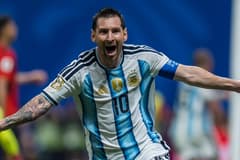
The Dane went on to cite some examples such as Martin Baturina's goal against England, Lionel Messi's verus Algeria and Kylian Mbappe against Senegal all of which saw the goalkeeper in question get close to a strike but fail to prevent it from going in at the last second.
"There's a couple of goals where you're seeing keepers getting close to it - [Jordan] Pickford, with the first goal of the Croatia scores - and you've got Luca Zidane against Lionel Messi and even Edouard Mendy against Mbappe."
"The thing about this ball is that we want to see goals, so they build balls to score goals."
Schmeichel's theory about FIFA and Adidas building the ball to ensure more goals appears to be accurate, as the 2026 tournament is averaging more goals per game than any other World Cup since 1970.
Granted, there are more matches in the group stage this year due to the expanded 48-team format, but there have already been more goals scored in the 2026 World Cup than in the entire 2022 World Cup in Qatar.
Read more about:
World Cup U20