
-
News
- 19 Sep 2026
Spain demand 2030 World Cup final as FIFA deny promise to Morocco
6 Aug 2026 09:01 CDT |
4 min read
News

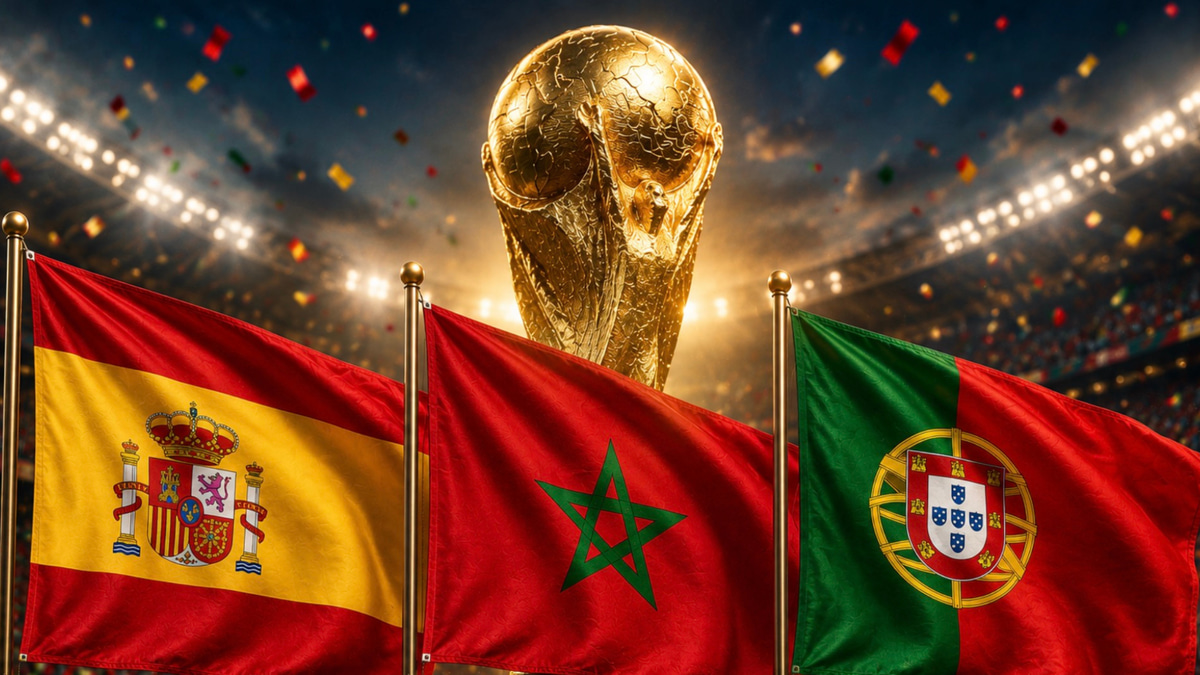
Spain believe they should be awarded the 2030 World Cup final ahead of Portugal and Morocco.
On Wednesday, the Times reported that FIFA President Gianni Infantino had promised the World Cup final to Morocco, should the country display their support for him moving forward as he deals with major scrutiny on his presidency.
FIFA denied those claims, however, saying in another statement: “It is false and misleading to claim the FIFA President has made any promise in relation to hosting the FIFA World Cup 2030 Final. A decision will be made by FIFA in due course.”
The 2030 World Cup will be co-hosted by Spain, Portugal and Morocco mainly, with special opening fixtures also taking place in Argentina, Uruguay and Paraguay to mark the centenary of the first tournament in 1930.
Spain's sports minister Milagros Tolon has reacted to the reports about FIFA and Morocco, insisting her country should be awarded the final.
"The most important thing is that FIFA has already denied it," Tolon told Cadena Ser radio.
"We are working with FIFA and our next meeting is in September. We're going to keep working because we want and we believe the World Cup final has to be held in Spain. We deserve it and we've always been committed to it taking place in Spain."
Tolon also believes that Spain, as the current world champions of both the men's and women's game, should receive that right, while also questioning why Morocco is even being considered when they joined the bid with Spain and Portugal later on.
"Firstly, we are world champions in both the men's and women's World Cups," she said.
"Secondly, Spain and Portugal jointly put forward the bid for the 2030 World Cup, with Morocco later joining them.
"We have a wealth of experience in sporting events, but, what's more, Spain has a modern communications network and a high level of security. Given all these advantages, I am convinced that FIFA will choose Spain to host the final."
AFCON drama
Spain believe they are now a shoe-in to host after the chaos of the AFCON final between Morocco and Senegal in Morocco.
The drama of the Africa Cup of Nations final continued after the final whistle, with Moroccan journalists walking out of Senegal boss Pape Thiaw’s press conference. 🫣 pic.twitter.com/rRLk2Lg2Eg
— BBC Sport (@BBCSport) January 19, 2026
“It is true that in the final and some matches in AFCON, we have seen images that damage not only AFCON but also world football,” Spanish Football Federation (RFEF) president Rafael Louzan said at the Madrid Sports Press Association in January.
“Spain has proven its organisational capacity over many years and will therefore be the host of the 2030 World Cup. The final of that World Cup will be held here.”
There are currently four main contenders to host the final - The Bernabeu in Madrid, Camp Nou in Barcelona, Estadio da Luz in Lisbon and Morocco’s Hassan II Stadium, currently being constructed in Casablanca to hold 115,000 spectators.
What happened in the AFCON final?
Deep into injury time in the second period, the host nation, Morocco, were awarded a controversial penalty after Brahim Diaz went down inside the box following a pull from El Hadji Malick Diouf. It was soft in the eyes of many and although the Real Madrid man went down rather easily, he was being held by the defender.
Everyone of a Senegal persuasion was outraged. The players surrounded the referee in protest and the small batch of away supporters in the corner of the stadium even had to be subdued by riot police after threatening to enter the pitch.
Senegal manager Pape Thiaw took things one step further, though, as he actually ordered his players to leave the pitch. Most of of them did so, with some even going back into the changing room.
Talisman Sadio Mane kept the peace and eventually convinced his team-mates to return and a good job he did, too, as Diaz missed the subsequent penalty with a failed Panenka before Senegal went on to win the final 1-0 after a solitary goal scored in extra-time.
Due to the conduct of the Senegal players and staff, Morocco were officially awarded the title a couple of months later.
Read more about:
FIFA Club World Cup