
-
News
- 19 Sep 2026
'It should have been easy' - Expert slams FIFA over World Cup ticketing fiasco
3 Jun 2026 08:01 CDT |
Updated: 10 Jun 2026 03:45 CDT |
11 min read
News

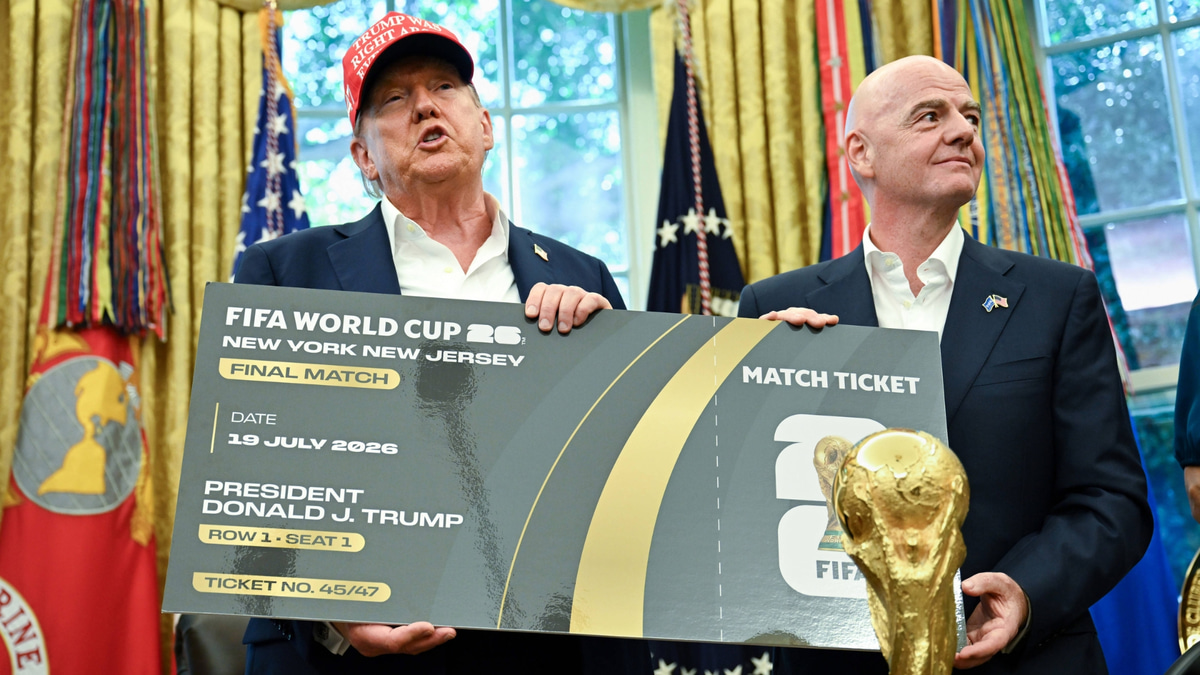
The 2026 World Cup has been overshadowed by a number of controversial topics such as the Iran war and visa issues for travelling supporters and players, but one that has impacted everyone is the pricing of match tickets.
The 2026 World Cup in North America was always going to be expensive for travelling fans due to flights, hotels, food, drink, etc. But, something that could have been standardised was the price of match tickets and FIFA has served to alienate a large number of fans due to their exorbitant ticket prices.
Group stage matches are, on average, three times as expensive as the 2022 World Cup in Qatar and prices for the quarter-final stage onwards are costlier still.
FIFA implemented dynamic pricing, which means increased demand led to increased prices. A high number of tickets were purchased originally from FIFA and then put on secondary selling markets as sellers looked to turn a huge profit.
On FIFA's official reselling platform, they charge a 15% commission on all individual tickets resold, just to add further cash to the pot.
Adding to the negative PR that's built around the event, football's governing body even recently ordered a spinal injury charity in Canada to stop a raffle for two tickets where the proceeds would have benefited projects within the charity. It was against resale regulations, said FIFA.
At one point, a ticket for the World Cup final was placed on a reselling platform for over $2m.
To try and make sense of it all, FootballTransfers sat down for an exclusive interview with ticketing expert Jim McCarthy, the owner of Impresario, a company that aims to help organisations maximise revenue by ensuring as many tickets as possible are sold for events. This includes work with football clubs.
You can find his full bio at the bottom of the page.
Can you tell me a little bit about your background?
I've been in the live event business for about 25 years. I started a company in the US called Goldstar. Goldstar was one of the first and largest live event marketplaces in the country online, an online thing, started as a website, became a website and app over the years. Working with every kind of rights holder from professional sports teams to theatre, comedy, professional sports, concerts, Broadway, and everything, large and small, into Cirque du Soleil, everything you can imagine.
So we sold tons and tons of tickets over the years. I sold the company a few years ago and then after a couple years of working in the transition, after the acquisition, I started researching a few areas, including football. I really liked the opportunity that I saw in football too, to work with clubs to help them grow their audience. So taking the expertise that I had from before, you know, and kind of applying it in a very specific way to football clubs.
I discovered as I looked more and more into the industry that there are a lot of clubs, just tons of clubs, great clubs, and a lot of great, football places that have plenty of seats to sell, on a regular basis. We look at things they're good at, the things they're not so good at, and help them identify some areas where they can grow.
So a couple years ago I started this company, Impresario, and we work with clubs to guide them, to provide them advisory, support, and guidance in basically, filling their stadiums, getting more people, more money into the building and into the club.
Which football clubs have you worked with so far?
We're working right now with St. Johnstone. We're working with an Australian club called the Melbourne Victory from the A-League. And we're working with a club in Orange County, California, called Orange County Soccer Club in the USL. So we're going to those three clubs here now, and we'll add a few more clubs this year. Our work with clubs is pretty intensive. So, we don't work with dozens of clubs at a time. We work with a handful of clubs. It's a three-year project with each team.
A major issue ahead of the World Cup has been the criticism that FIFA has received for their World Cup ticket prices. Did you foresee this happening before the prices were released?
I didn't. I mean, not until I saw the ticket prices. When I saw the ticket prices last fall, the first time I saw a ticket table, I can't remember exactly what form it came to me in, but I thought it was a real reach. The prices seemed like a real reach. And so actually, I kind of asked around my network, you know, in the ticket market, including some people in the secondary market. And I said, 'What do you think about these prices?' And they said, 'These are way too high.'
And those are the guys who make a living by knowing whether prices are good or not, right? Whether they can make money on buying it and reselling it. So when they say it's too high, I really believe that they know what they're talking about; if not, they go out of business, right?
So I anticipated a lot of what's happened since then. There's been a lot of opacity in the market. It still looks like there are a lot of unsold seats - there certainly are in the secondary market. I'm sure you've seen this data as well, but you can track the data in the secondary market of where prices are going and they've been dropping pretty steadily for the last several months. It's going to be interesting to see. I mean, nobody likes to see this. I think this should have been very easy one [for FIFA]. Despite some of the, let's say, geopolitical stuff, the U.S. is still a great place to visit and see a sporting event. And so it should have been, it should have been easy, in my opinion. It's these the kinds of things that the North American live event industry knows how to do very, very well. It's been kind of painful to watch.
Do you think that as we approach each individual match, do you think FIFA will amend their strategy? Or do you think they'll remain the same but secondary markets will be the way to go if you want to buy a ticket?
I think it's very important to distinguish that the later rounds, probably from the quarter-finals on, will be sold out. Yeah. It's just, everyone should understand there's a huge difference between the demand levels in those games versus the group stage
I think in the group stage and probably the round of 32, there will be some very, very cheap tickets to buy at the last minute.
USA versus Paraguay was being outsold by New Zealand versus Iran at the same venue, SoFi Stadium
Yeah, that one didn't make any sense to me at all. I mean, obviously the idea that it's the U.S. home opener, fair enough, but, it's like I always say, you can get more money for a ticket for a game that's better, but it's only up to a point. Is there demand? Is there demand at this price? So, maybe I could get twice as much or 2.5 times as much, but, you know, four times as much, it's just too much.
I think they overestimated the value. Let's say that the average ticket or maybe the get-in ticket for that game is something like 1100 to 1200. If they put it around 700, which is still a lot. They probably could have sold it all.
It does seem like FIFA were always going to do this, but to the extent that they've done it is so much that people are just like, in some cases, 'It's not like I can't afford it, I just don't want to be ripped off.'
I mean, some people are going to just say, 'Look, I can't afford that, period', but other people are going to say, 'I could, but I'm going to put the money to better use'.
I wonder if there's going to be an impact on future perceptions of the World Cup. Maybe everyone will have forgotten this by 2030.
It does seem this conversation will continue until 2030 because for Euro 2028, UEFA standardised all prices without any dynamic pricing, so they've already got one over FIFA.
I actually wrote a little piece on LinkedIn about this a few weeks ago where I said that UEFA were clearly counter-positioning the Euros against this, right? Because there's no reason for them to be talking about the ticketing for Euro 2028 right now.
'Let's tell people who we are versus this.'
Let's put aside the kind of moral objections that people might have to what FIFA's doing and just say, 'What are they doing?'
They're trying to position this as a super premium product. It's like a luxury good, right? And so that's the message. They're saying, 'This is something that is, it's the best thing in the world. It's literally the best event in the world.'
So if you think of it that way, if you're selling a super premium product, and you really believe that, then you kind of have to do everything that way. You know, that, at least, you could see some consistency in the thinking there.
UEFA has taken the opportunity to say, 'Actually, we're, what we're positioning this as an event that is family friendly'.
And I thought it was actually a brilliant move to do that. You know, they're saying, 'Look, we're over here. They're over there, we're over here. And we're going to leave it up to the fans to decide which they prefer.'
Do you think dynamic pricing actually may swing in the favour of fans during the tournament?
Well, I think in the secondary market, it already is. I mean, it struck me, it's been dropping. So this is the thing that people forget about dynamic pricing is that it works in two directions.
I think what might happen though, is that FIFA might do this in a subtle way, so they'll technically leave their prices where they are, and find ways to get more inventory into the secondary market where it can float. It feels to me as though they're going to let the secondary market sort of do the dirty work, if you will, of letting the prices drop while holding the official price constant.
What do you think of the New York/New Jersey subpoena that was sent to FIFA, and do you think they are just looking to be seen to be doing something, or do you think there is substance to the investigation? The main point of the investigation involves FIFA potentially deceiving fans by offering certain Category tickets which are then moved to another Category so those seats can be resold at a higher price.
I'm not an attorney and don't claim any expertise here.
But, when you look at, on the face of it, what the attorneys general in those two statements have said, they said a few things and some of them don't make sense. So using dynamic pricing excessively or something, that is nonsense.
The thing about the categories, I believe, has some merit as it could be seen as a deceptive practice.
Again, not a legal scholar, but it doesn't have to be intentional and it doesn't have to be fraud. It could just be if you're doing something that deceives people about what they're buying, then it could be that you're engaging in deceptive practices.
So let's talk about category pricing and how it's usually done. So conventionally, category pricing is used in a lot of places, and it's usually one of two things or both. Either, we tell you the categories, you buy the tickets and then we give you your tickets immediately and tell you where they are. Right, when you buy them. You buy category B, and sure enough, this is in category B.
Or, we don't ticket you immediately, but we hold the category constant, right? So we keep, we show you the map, we say, this is category A, this is category B, this is category C. And, if you buy category B, then you can count on the fact that the place that we told you category B included is going to stay the same.
Either of those is fair because you knew what you were getting, and you had a clear sense of what you were buying at the time.
The problem as I see it is, not ticketing people instantly and then not holding the category constant, which is not a usual practice. Yeah, it doesn't mean there's anything illegal about it, but you could say that it's a way of deceiving people.
If this actually turns into a real investigation, it's a good point. Like, it's just going to be for show or will they really follow through? The discovery process will be one that will be probably pretty unpleasant.
I just don't think any of this should have ever happened. This should have easily sold out at the right prices. Even high prices, you know, it's not that it was never going to be cheap. It's just so hard. Crazy.
We're at the point where we've been talking so much about the ticketing and ticket prices over the last few months, it sort of seems to have drowned out the conversation about the tournament in a way. It's really just not what it's supposed to be. The ticketing is supposed to disappear into the background.
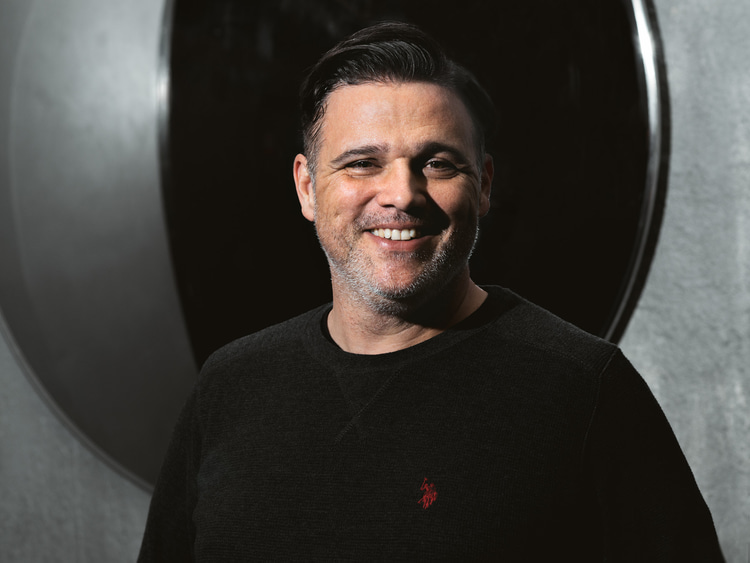
Jim McCarthy is the founder of Impresario Strategic Growth Service. The co-founder and former CEO of Goldstar and Stellar Live, Jim is the world’s leading authority on audience development for live events organisations. He and his team have supported more than 2,000,000 live events and delivered tens of millions of customers to partners and clients.
His work at Impresario Strategic Growth Service focuses that expertise on professional football clubs around the world, supporting their revenue and audience growth through the Matchday Multiplier program.
Jim also serves on the Advisory Board of the Rose Bowl Institute, the Board of Trustees at the Pasadena Playhouse and is an Expert-in-Residence at the Greif Center for Entrepreneurship at the University of Southern California. He graduated from Harvard University and earned an MBA from the Anderson School at UCLA.
Read more about:
FIFA Club World Cup