
-
News
- 19 Sep 2026
How welcome are foreign football fans in the United States for the 2026 World Cup?
7 Oct 2025 05:35 CDT |
Updated: 3 Dec 2025 01:00 CST |
5 min read
News

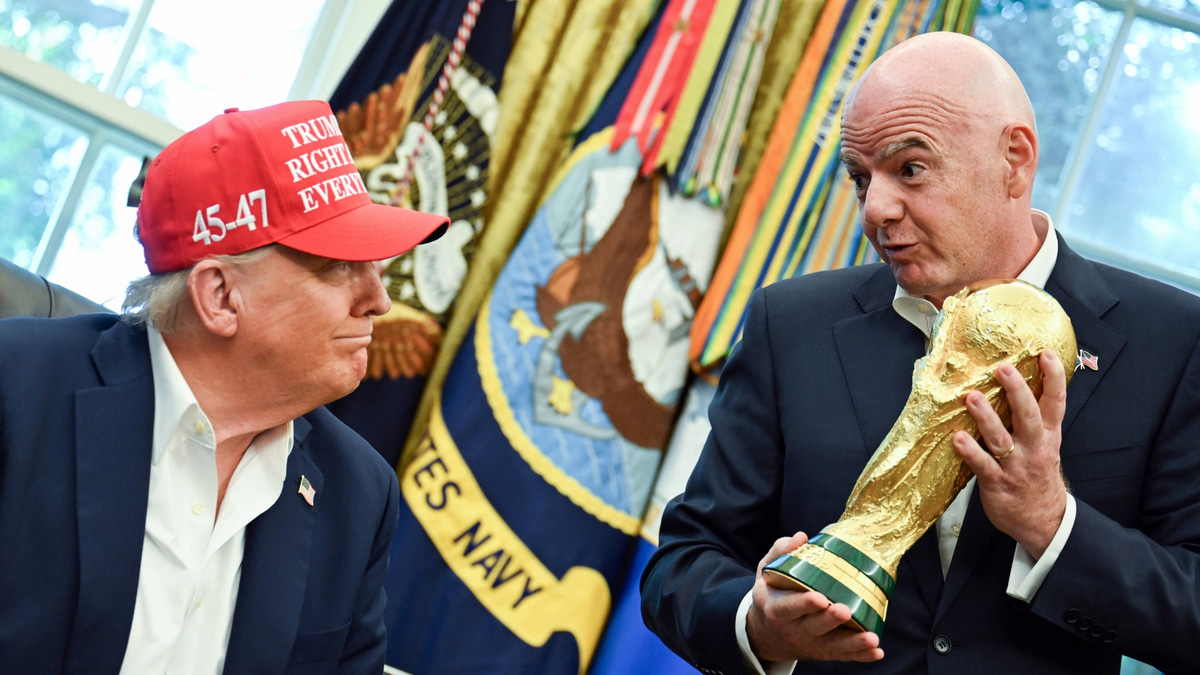
There is increasing concern that foreign football fans won't be 'welcomed' with open arms in the United States for the 2026 World Cup.
Millions of soccer/football supporters are expected to descend on host cities in the United States, Mexico and Canada next summer. What is usually a tournament with a jovial atmosphere - with some notable exceptions - the 2026 World Cup is currently being overshadowed by a number of negative issues that have already started to impact those looking to travel.
Visa Issues
President Donald Trump's crackdown on immigration is in the news every single day and stricter border controls will have an effect on travelling fans.
When the 2026 host nations were confirmed, Trump confirmed that "all eligible athletes, officials and fans from all countries around the world would be able to enter the United States without discrimination".
That is the case...for some.
Fans from the United Kingdom and the EU will be able to travel without a Visa due to the Visa Waiver programme. However, that initiative hasn't extended to fans from Asia, Africa and South America, all of whom will need to apply for an official Visa to travel to the tournament.
FIFA president Gianni Infantino and Trump previously announced a new fast track 'FIFA PASS' system that will allow World Cup match ticket holders to be given priority visa appointments.
Visa appointment can take up to a year to be scheduled, but the new system puts ticket holders to the front of the line and appointments can now be gained in around two months.
However, fans will still be subject to the same scrutiny as other would-be travellers.
“Your ticket is not a visa. It doesn’t guarantee admission to the US,” US Secretary of State Marco Rubio said.
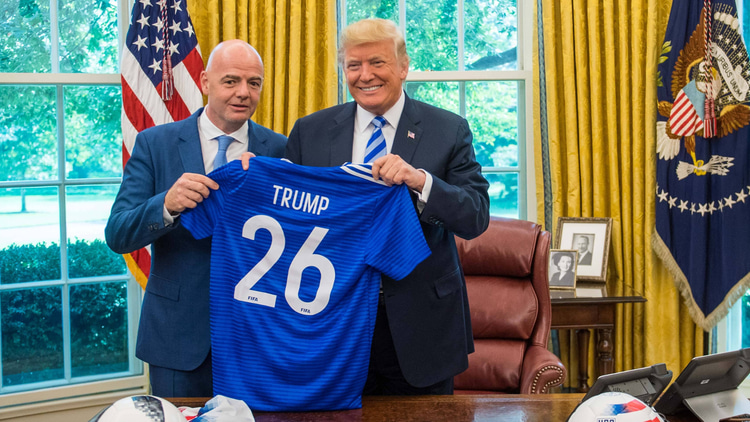
“It guarantees you an expedited appointment. You’re still going to go through the same vetting. We’re going to do the same vetting as anybody else would get. The only difference here is we’re moving them up in the queue.”
Most of the tickets sold for the World Cup so far have gone to Mexicans, Canadians and Americans, but FIFA has confirmed that fans from 212 other countries have also purchased tickets.
Even if these fans have a valid match ticket, they are not guaranteed entry into the United States.
Iran plan to boycott the 2026 World Cup draw after the president of their football federation was denied a visa to enter the United States.
Ticket Pricing
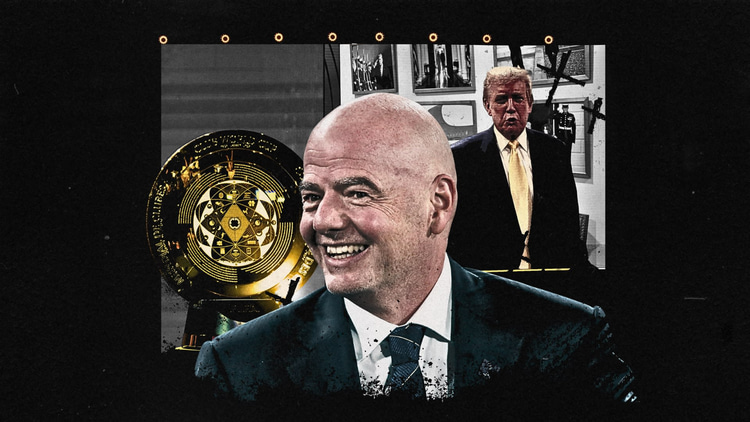
Fans planning to attend matches at the 2026 World Cup have been left 'astonished' by the exorbitant prices being charged.
FIFA officially began sales for the upcoming tournament in the US, Mexico and Canada in October by informing the select few who had been chosen in its 'first ticket lottery' that they could proceed with purchasing entry to games.
However, the lucky ones who managed to gain access soon realised that the $60 tickets FIFA had been promoting were few and far between. Instead, most prices were in the hundreds and even thousands.
Split into four pricing categories depending on the location of the seat, the cost for group stage games ranged from $60 to $620. Ticket prices for the final at MetLife Stadium reached as high as $6,730, with even Category 4 spots going for as much as $2,030, according to The Athletic.
Since then, FIFA has opened an official secondary market in the US and Canada, and prices have skyrocketed even further due to the governing body charging a 15 per cent commission and not implementing a cap.
Tickets have also hit third-party sellers. At the time of writing, upscale final seats at MetLife Stadium are being listed for as much as $537,752 on Stubhub. The cheapest ticket currently costs $6,886.
Political unrest as violence spreads
The United States is undoubtedly involved in a political storm at the moment due to a number of factors.
Currently, the deployment of Immigration and Customs Enforcement (ICE) officers throughout the country has led to mass protests and thousands upon thousands of arrests, with violence often breaking out at these demonstrations.
Trump has deployed National Guard troops in Democrat-led cities, including Los Angeles, which will host eight matches.
The president previously threatened to take World Cup matches away from cities that he deemed to be "unsafe".
"There is no question the divisions in the United States are considerable," says Daniel Byman, director of the Warfare, Irregular Threats, and Terrorism Program at the Center for Strategic and International Studies.
"On different issues, depending on the day, the president or some of his key people are trying to push a more polarised agenda. There is a lot of anger.
"With the Trump administration, there are lot of 'we don't know' answers in terms of security, because they don't yet have much of a track record for big events.
"There has been a pretty steady dismantling of a lot of the government agencies - cuts at the Department of Homeland Security and the FBI. With that comes not only loss of people, but loss of institutional knowledge.
"There are lots of individuals who can be disruptive and dangerous. And the United States, of course, has ready access to firearms in a way that most countries do not."
In 2024, there were 500 mass shootings in the United States. In 2025, there have been 397, which is another major cause for concern for travelling fans.
Read more about:
MLS