

-
News
- 3 minutes ago
Are these the stats that explain why Man Utd are struggling?
18 Sep 2026 08:30 CDT |
4 min read
Analysis

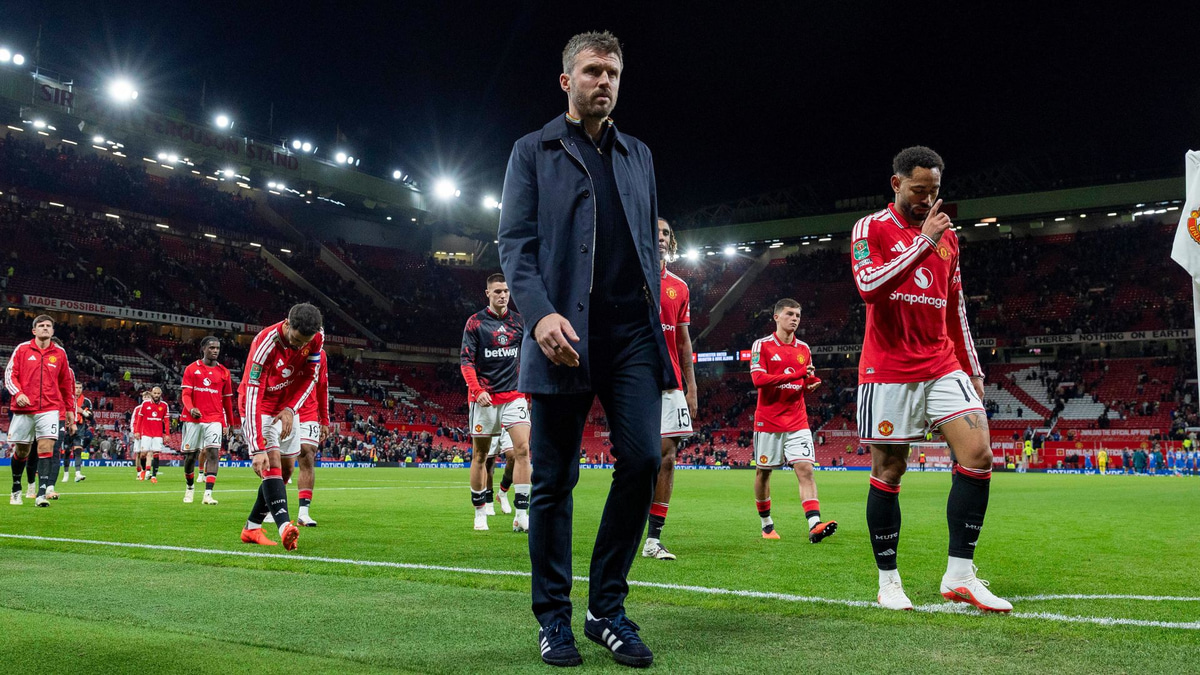
Manchester United manager Michael Carrick finds himself under pressure after less than a month of the new season.
United have won only two of their six competitive matches, and while these were thumping victories over Ipswich and Sabah in the Champions League, there is an ongoing inquest as to why the Red Devils have otherwise misfired.
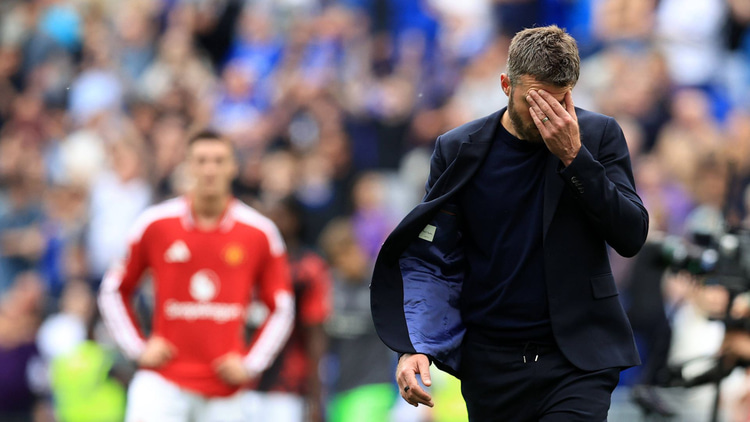
Pressure has built on Carrick this week after two particularly alarming setbacks. First, they were defeated 1-0 at home by rivals Manchester City, a result that was acutely concerning given that they played 10 men for much of the game. Then came a 3-2 loss against Brighton, in which they allowed a 2-0 lead to slip.
United are backing Carrick internally, with The Athletic reporting that the Old Trafford side is not currently studying replacements for their boss.
Current results, though, are clearly unacceptable.
The Man Utd stats that have raised fresh questions about Carrick
In the scramble to apportion blame, Sky Sports posted a series of physical statistics showing Man Utd have been off the pace in this regard all season.
Both in terms of volume and duration of sprints and high-speed runs, they rank among the worst three clubs in the league, while they fare only marginally better in distance covered, coming 14th among their Premier League peers.
But what does this actually tell us, and can it be used to explain the poor start to the season?
Manchester United (Premier League, 2026/27)
| Rank | ||
|---|---|---|
| Distance covered (km) | 449.1 | 14th |
| Sprints | 379 | 18th |
| High-speed runs | 1364 | 19th |
| Sprints per km covered | 0.84 | 18th |
| High speed runs per km | 3.04 | 19th |
Why Man Utd’s physical numbers need to be put into context
Carrick had no design on setting this Manchester United team up to be physical monsters. Of the three signings he made this summer, only Carlos Baleba arrived as a player capable of covering wide areas of the pitch. He joined a group of midfielders better designed to sit deep and absorb pressure.
With the current tactical trend biased towards defensive pressing, it’s natural that other clubs are posting bigger numbers for running intensity.
United are set up to be a counterattacking team, but they have been unable to show that identity due to facing weaker opponents happy to defend deep against them. Even Man City, who would be expected to take the game to them, were forced to retreat after 23 minutes following Phil Foden’s red card last week.
This is a side that’s been forced to take the initiative in their matches but they would prefer to be counterpunching – highlighted by the fact they have had 50% or more possession in each of the half dozen games they have played.
By contrast, when United won five of their last six Premier League games last season, beating Chelsea and Liverpool in the process, they never had more than 49% of the ball.
Man Utd’s squad depth adds another layer to the problem
There is, however, another element worth considering in all of this relating to United’s recruitment this summer.
Carrick has been left with a thin squad by the board in which he is expected to compete at a high level in both the Premier League and Champions League. Last season, this was not a problem given they only played 40 games, yet there will be at least an additional eight this term and very probably 10-12 more should United progress in Europe and the FA Cup.
This jump is not insignificant, yet there are areas where United know they are lacking in suitable cover, such as left-back and centre-forward.
Squad preservation is therefore a priority for the manager. And the easiest way to do this without rotation is ensuring the existing players remain fit. With high-intensity runs a leading cause of injury, cutting down on them should help preserve the squad, further justifying Carrick’s decision to veer away from a physically intensive style of football.
Indirectly, of course, this can lead to fingers being pointed at the ownership for a lack of investment this summer, though it does not entirely excuse the manager’s inability to set a team up to win these matches.
It does, however, suggest that using physical data as a stick to beat Carrick with is too easy an option.
There is nuance to why United are playing as they are. It’s a combination of the manager’s style and a pragmatic approach to the squad he’s got to work with, but it’s not laziness and it does not fully explain the team’s results to date.