
-
News
- 2 hours ago
Football's mental health epidemic: 99% of players are unhappy, says ex-Chelsea star
6 Aug 2026 10:01 CDT |
Updated: 7 Aug 2026 06:30 CDT |
3 min read
News

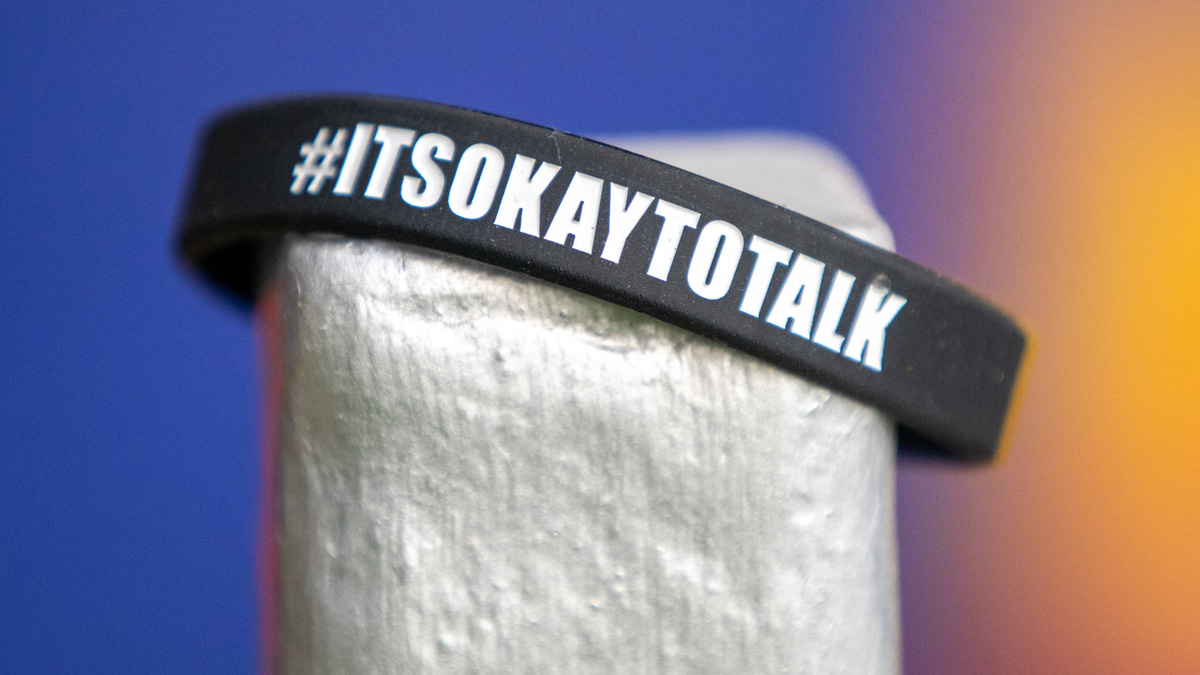
Former footballer Gael Kakuta believes that a lot of footballers are dealing with sadness, as he warns against a mental health epidemic in the game.
As the majority of professional footballers at the top level are seen as supremely wealthy superstars, they are prone to mental illness just like everyone else and, in some cases, more so because of the scrutiny on every aspect of their lives.
Kakuta is a French-born attacking midfielder who came through Chelsea's academy and was once regarded as one of the brightest young talents in European football. His move from Lens to Chelsea in 2007 sparked a high-profile legal dispute, with FIFA initially imposing a transfer ban on Chelsea before the sanctions were later overturned.
Despite his immense potential, Kakuta made only a handful of senior appearances for Chelsea and spent much of his time at the club out on loan.
After leaving Stamford Bridge permanently in 2015, he rebuilt his career with spells in Spain, Italy, China and France. He enjoyed some of the best football of his career at Amiens and Lens, while also representing DR Congo at international level after switching allegiance from France. Although he never fulfilled the expectations placed on him as a teenager, Kakuta went on to enjoy a long professional career before retiring this summer at the age of 35.
"90%, I would even say 99.9% of footballers are sad," said Kakuta, as quoted by L'Equipe.
"They have a very heavy burden to carry and there are very big responsibilities on them. Nobody cares about how they really feel and you are in a world where you have to be successful."
Because modern footballers have so much money, Kakuta says it is difficult to determine which people are genuine and which are just hanging around for financial reasons.
"You don't know who's around too, you don't know who's there, and why," The DR Congo international explained.
"Your relationships, you don't know if they are real. There are some who put themselves in a bubble, they shoot a little at everyone without really being aware of what is really happening. A very large part wears masks. They wear them because, whether at home, in their family, their relationships with their friends: are they really seen, listened to. They are pieces of meat."
He credits religion for helping him get through the toughest periods of his career, but he says not everyone is lucky enough to escape the slippery slope of loneliness and potential addiction.
"It's good to pretend to be happy, but at night, do you sleep?" he questioned.
"Some do not sleep and are forced to take products, he said. If you consume this all the time, it's beyond fatigue.
"There are some who can party, others are the console, there are many kinds of dopamine that leads you out of reality. Many flee from loneliness because facing loneliness is facing yourself."
According to the international players' union FIFPro, more than a quarter of professional footballers suffer from depression or anxiety problems.
Research showed that 26 percent of players reported mental health problems, with that figure rising to 39 per cent among retired players.
Read more about:
Premier League