
-
News
- 2 hours ago
Heading footballs caused the death of World Cup winner, inquest confirms
16 Jul 2026 06:00 CDT |
3 min read
News

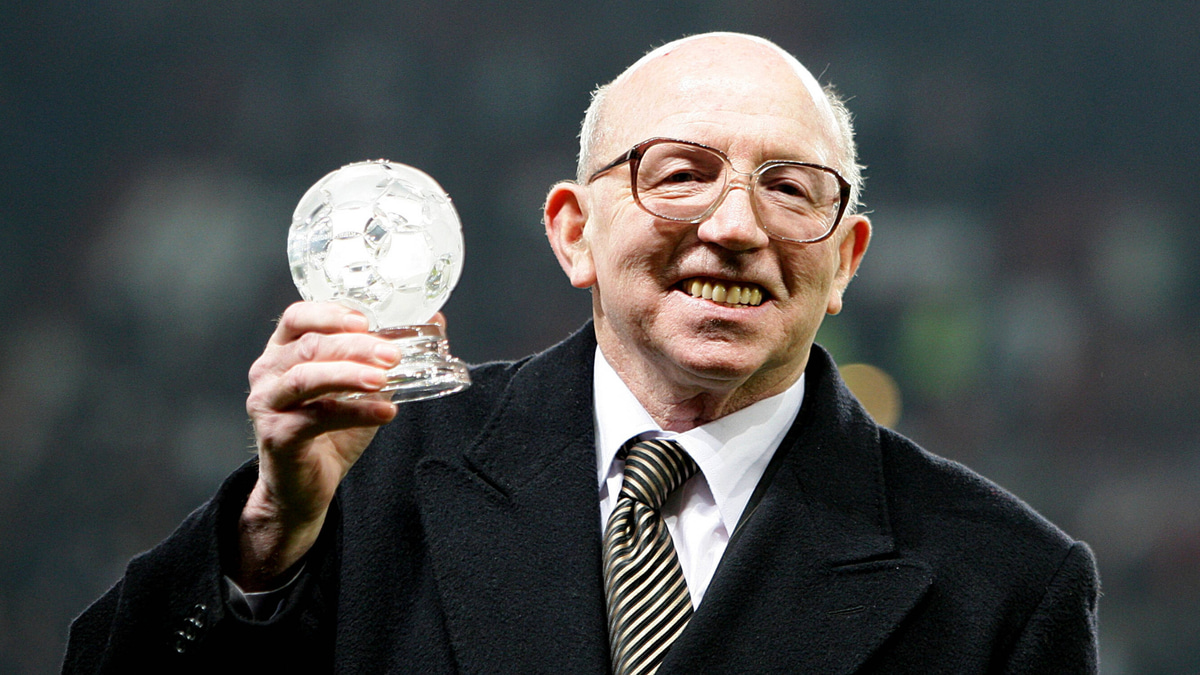
World Cup winner Nobby Stiles developed a brain disease linked to repeatedly heading footballs during his playing career, a coroner concluded at an inquest this week.
The former England midfielder died in 2020 at the age of 78 after living with severe dementia. Stockport Coroners' Court heard evidence that Stiles headed the ball around 140,000 times over the course of his career.
Giving expert evidence, neuropathologist Dr Daniel Du Plessis said he was "quite convinced" that repeatedly heading the ball had led to Stiles developing chronic traumatic encephalopathy (CTE).
Senior Coroner Alison Mulch concluded that Stiles died from Alzheimer's disease, with chronic traumatic encephalopathy (CTE), another neurodegenerative disorder and cerebrovascular disease all contributing to his death.
Stiles and former Newcastle manager Joe Kinnear were both diagnosed with CTE after their deaths, while in January, an inquest determined that Scotland and Manchester United star Gordon McQueen's brain disease and subsequent death in 2023 had been linked to repeatedly heading balls as a professional footballer.
Several other high-profile former footballers, including Celtic legend Billy McNeil and five members of England's 1966 World Cup-winning squadl, have suffered from dementia later in life after a career on the pitch.
Du Plessis, a consultant neuropathologist at Salford Royal Hospital, said: "In this case, it is quite clear that Mr Stiles had advanced dementia and he died of his dementia - that is the primary cause of death here.
"Added to the mix was CTE - we know it is caused by people who have head injuries.
"I'm quite convinced his heading the football that many times has caused his CTE."
The senior coroner asked Du Plessis: "What you are saying is that the CTE that Mr Stiles clearly had, you are satisfied on the balance of probability, the cause was heading the ball?"
He replied: "Yes. This is a very complicated issue and it is important to use such a death to highlight – that we do now know repeated head injuries have an impact on the brain."
The English Football Association previously told the High Court that there is no proven link between heading a football and brain damage, as it responded to a legal claim by former players.
Ninety-six former footballers, including the family of Stiles, previously filed a claim with the High Court but the FA say that the hypothesis linking neurological damage with heading “remains unproven”.
The FA’s defence, first reported by The Daily Telegraph, stated: “It is denied that repeated heading of a football and/or repeated concussion has been established to cause permanent brain damage and/or long-term neurological damage.
“It is not established that either heading or concussive incidents experienced during football cause CTE and/or that any symptoms experienced by those subsequently diagnosed with CTE are likely to have been the result of CTE, and/or were the result of playing football.”
Despite these claims from the FA, they have previously banned heading in games and in training for children under the age of 11, while they continue to fund research into the issue.
"Former professional footballers are at much higher risk of degenerative brain diseases, dementias and related disorders," Professor Willie Stewart, a consultant neuropathologist at the University of Glasgow. told BBC Sport earlier this year.
"What we see is the risk is about three and a half times higher than it should be. There is a very unique change in the brain which only appears in athletes that we don't see in other individuals."
Twenty years ago and beyond, it was the norm for players of all ages and levels to head the ball not only during matches, but during training as well. In modern times, youth coaches have been warned to minimise heading in matches, where possible, and completely ban heading from training altogether.
An FA spokeswoman said: “While the link between heading in football and long-term brain health remains the subject of ongoing scientific and medical research, we have consistently been at the forefront of efforts to help improve the safety of our game.
“We were the first governing body to introduce comprehensive heading guidelines across both professional and grassroots football, and we continue to review and enhance our game-wide concussion protocols in line with worldwide best practice.
“We have also invested in and actively supported multiple independent research projects, often resulting in groundbreaking and valuable insight, in order to gain a greater understanding of this complex area through objective, robust and thorough analysis.”
Read more about:
Premier League