

-
News
- 1 hour ago
The main reason you should never buy a fake football kit
21 Jul 2026 07:30 CDT |
5 min read
News

New warnings have been given by safety officials to those thinking about buying counterfeit football kits.
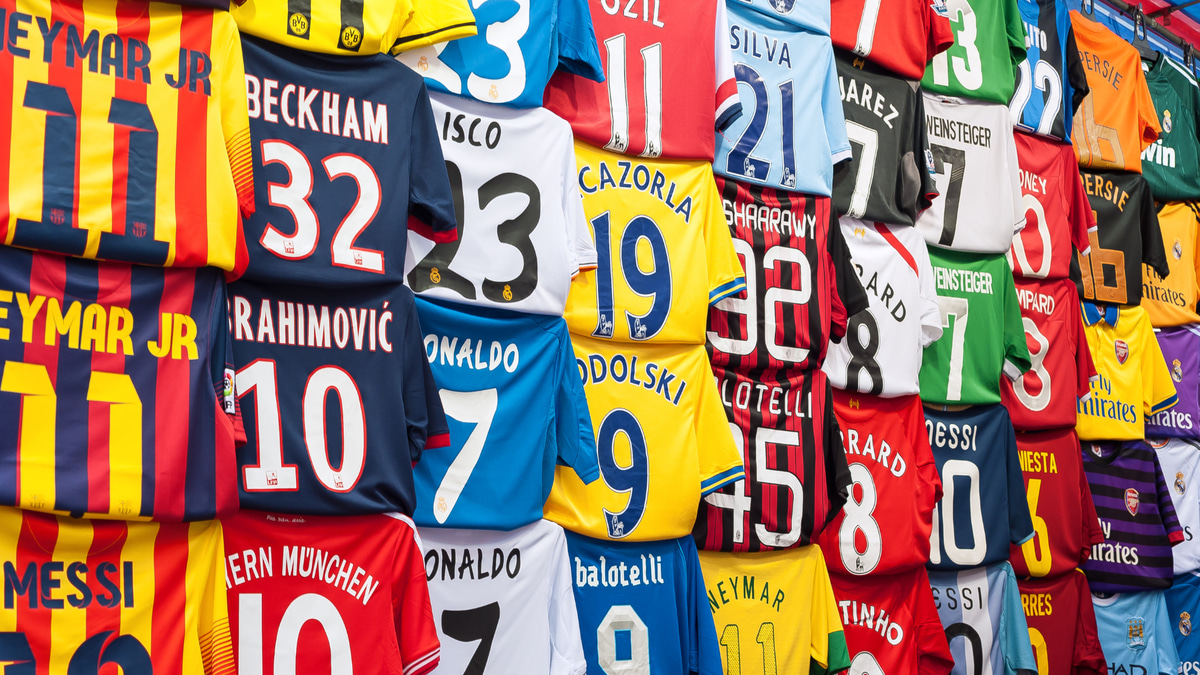
The prices of official football kits sold by clubs and official merchandise stores has soared in recent years. It costs, at the very least, £60 to purchase a club kit and if you want a name and number on the back and badges on the sleeves, the price can rise to up to £120.
That las led to a craze of purchasing counterfeit kits from abroad, with Chinese manufacturers usually the sellers.
These can cost as little as £15 and that includes shipping from China.
There was a major crackdown on the selling of counterfeit World Cup kits over the summer, with two notable raids seizing the illegal goods in England and Scotland.
One of the main reasons why fans have been warned against purchasing these kits is that they are highly flammable compared to official kits.
BBC Sport posted a video of a fireman setting alight two kits and the counterfeit one burned significantly quicker than the real jersey.
Why firefighters are warning against buying fake football shirts ⚠️🔥 pic.twitter.com/8f9Rz8rQip
— BBC Sport (@BBCSport) July 21, 2026
"It's quite clear that the counterfeit one melted as soon as the burner went on, it started to melt," the fireman explained.
"We really have to try to make the genuine one sort of ignite and melt. You can see the deposits on the floor where it's dripped, it's melted and dripped away, which will catch fire on something else. Extremely dangerous.
"So as you can see, if that was a highly close, it would ignite other things that aren't as flammable."
Kate Caffery, Head of Intelligence at the Intellectual Property Office, says fans should be aware that purchasing these kits may eventually fund organised crime.
"They're not subject to health and safety regulations, British standards, EU standards," she revealed.
"We've got evidence that counterfeit goods are made in appalling conditions, so you just don't know what's in them, how they're being made. There's also the financial element to it, so you don't know where your money's going.
"These are criminal networks, criminal gangs operating, and we've got evidence to show that counterfeiting is connected to wider serious organised crime. So, you know, the price of a fake shirt, you don't know what you're funding with that money."
Counterfeit kit concerns
The tools and materials used to make these counterfeit kits are not known and so cannot be regulated, which presents a risks to buyers.
"We just don't know what's in these kits - they could pose a health risk," says Louise Baxter-Scott from Trading Standards.
"They are poorly made but look legitimate, and the pressure of Christmas, plus the increase in cost of living creates a greater consumer vulnerability and pushes people towards a cheaper alternative."
Chloe Long, deputy director general at the Anti-Counterfeiting Group, insists that the kits could cause rashes.
"Wearing that strip could cause irritation," she says. "It could even cause more significant problems - particularly if harmful toxins or dyes are used to manufacture those products. It's very difficult to know retrospectively what's been put into the product, but you can see in some instances that they could be harmful.
"And they don't follow any regulations. They're not bound by the same legalities and regulations the genuine manufacturers are."
Long claims that the foreign manufacturers only care about sales and don't care about using harmful chemicals.
What's the difference between a fake football shirt and a real one? 🤔 👕
Chloe Long, deputy director general at the Anti-Counterfeiting Group, explains. pic.twitter.com/YyUd8jVbCg— BBC Sport (@BBCSport) November 27, 2025
"Whatever they can get their hands on to make this look as close to the real thing as possible, they will do that," she adds.
"So you don't know what could happen when you put that in the washing machine with other products and, particularly if you're buying it for children, this is just not a risk that you should be taking."
Why fans buy counterfeit football kits
The BBC previously asked numerous fans why they have taken to purchasing counterfeit kits instead of real ones.
"It's so easy to," said Finn, a mid-20s Liverpool fan. "Why would you spend £120 when you could get it for £20-25? And especially for people of my age group that maybe don't have that much money."
A unnamed Dubliner, who travelled to a Premier League match, said: "If you buy the original brands, I think we're up to £70-£80 now even for a kids one.
"But we had a bad experience recently [with a fake] in terms of the quality. It lasted a day."
It is not illegal to purchase fake kits in the UK, but it is illegal to sell them.
Kit designer Rob Warner, who previously worked for Puma and Umbro, says it costs around £10 to make a replica kit but the profits from the sale price are spread around numerous parties.
"The cost of making a product is more than the constituent parts," he says.
"You wouldn't walk into a restaurant and order a steak and chips and say: 'I'm not paying £20 for that - I could get a steak for £4 from the supermarket.' You're paying for the environment, you're paying for the chef.
"It's a similar sort of sort of thing with football kits.
"It can be hard, even for professional designers, to tell the difference. There are key things to look out for, but to all intents and purposes, your average consumer wouldn't notice.
"Then, with the price [of genuine kits] just continually going up every year... as much as I can present reasons why people shouldn't buy them, I can also understand why they do."
Read more about:
Premier League