

-
News
- 13 minutes ago
Premier League club considering AI-led dynamic ticket pricing
4 min read
News

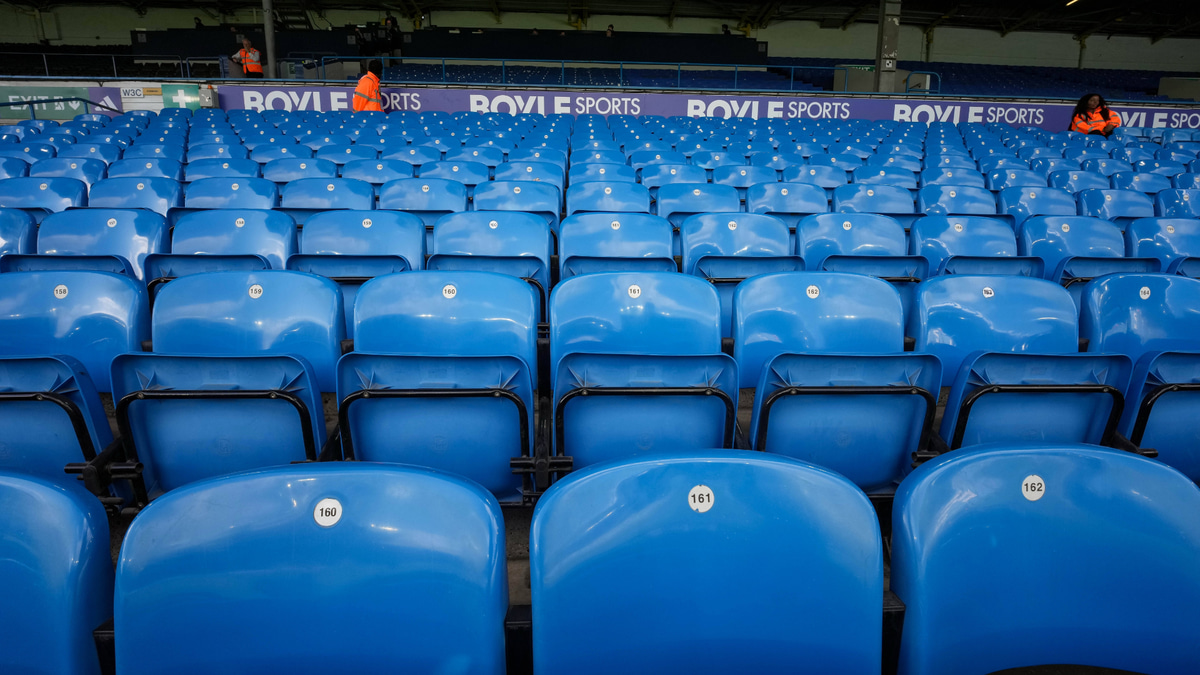
Leeds United are considering a new dynamic pricing ticketing approach powered by Artificial Intelligence.
Dynamic pricing became a topic of conversation during the 2026 FIFA World Cup as football supporters were left paying exorbitant amounts for match tickets.
High demand led to ticket prices skyrocketing, while lower demand meant that ticket prices were reduced. As it was the World Cup, however, the interest in the vast majority of fixtures meant that prices remained consistently high.
Leeds are hoping to catalyse a new initiative so that loyal supporters perhaps don't pay as much as casual fans.
“There’s probably an opportunity to do it in a way that does increase revenue, but also makes it affordable for your most hardcore fans,” club chairman Paraag Marathe said at a sports conference in London this week.
“Off the pitch, something that I’ve been thinking about is pricing tickets in the stadium doing dynamic pricing, similar to how the airline industry does it.
“Not just to make to maximise price, but if there’s a way to truly dynamically price based on your supporters – how frequently they go and how much they transact and interact with the club – we can make it more affordable for those folks or certain seats where it’s a little bit more of a hospitality corporate area.
“Even right now as we dynamically price, we don’t really use AI. We don’t let it make the decision for us; we just do it in tiers based on what we think."
To try and make sense of the World Cup ticket dynamic pricing, FootballTransfers previously sat down for an exclusive interview with ticketing expert Jim McCarthy, the owner of Impresario, a company that aims to help organisations maximise revenue by ensuring as many tickets as possible are sold for events. This includes work with football clubs.
When we asked Jim if he believed that dynamic pricing could eventually benefit supporters during the World Cup and beyond into club football, he responded:
"Well, I think in the secondary market, it already is. I mean, it struck me, it's been dropping. So this is the thing that people forget about dynamic pricing is that it works in two directions.
"I think what might happen though, is that FIFA might do this in a subtle way, so they'll technically leave their prices where they are, and find ways to get more inventory into the secondary market where it can float. It feels to me as though they're going to let the secondary market sort of do the dirty work, if you will, of letting the prices drop while holding the official price constant."
People treated World Cup games like a special event, and when we asked Jim if that 'event' mentality could eventually reach the Premier League, he replied:
"It's possible. It certainly could.
"You could imagine a derby reaching that level, depending on the circumstances. It's really all in the mind of the fan. If people feel that, for some reason, a match is truly special, then it could happen.
"Will clubs actually do it? I don't know. In my experience, European football clubs are at least a little worried about the reaction of their fan bases to dramatic price increases. So do they have the courage—for better or worse—to introduce a really significant increase for the biggest games? I'm not sure.
"Generally speaking, the market teaches itself what people are willing to pay. When you see it happen in another geography or another industry—whether it's sport or concerts—you start asking the question. People are willing to pay that much for Taylor Swift. Interesting. What would they pay for this?
"Sometimes the answer is yes. There are definitely people who would pay £1,000 for a great seat.
"The question isn't whether those people exist. It's whether there are 20 of them, 200 of them, or even more. Is the right price £500, £1,000 or £2,000? There are definitely people who would pay it, and there are definitely clubs having exactly that conversation about how they could potentially introduce that kind of pricing.
"The other thing that's worth noting is that when someone pays £2,000—or $2,000—for a ticket, they're often not even that upset about it. The amount they've paid actually influences their perception of the event. They come away thinking, 'That was great.' And maybe it was.
"That's something I say to people all the time. These experiences really are valuable. This is why I'm in this business - we believe in the value of live experiences.
"On the one hand, we're trying to manage issues like access and affordability. On the other hand, we genuinely believe that these experiences are worth more than material.
"You know, it's not easy—or cheap, by the way—to put on professional football, or any of these major events. It takes a huge amount of effort from a lot of people to deliver them at a high level.
"So there's a really interesting balance there. Most people who went to the World Cup didn't walk away angry about the prices they paid. They walked away feeling that they'd had an incredible experience.
"That's the challenge. We want these events to be accessible and affordable, but we also have to recognise that creating them at this level is expensive, and that people genuinely place a very high value on being there. That's what makes finding the right balance so difficult."
Read more about:
Premier League
Leeds Utd