
-
News
- 13 hours ago
What is pubalgia? The mysterious injury Palmer, Yamal and Messi have struggled with
3 min read
Analysis

Many football fans will have come across the term pubalgia for the first time this season.
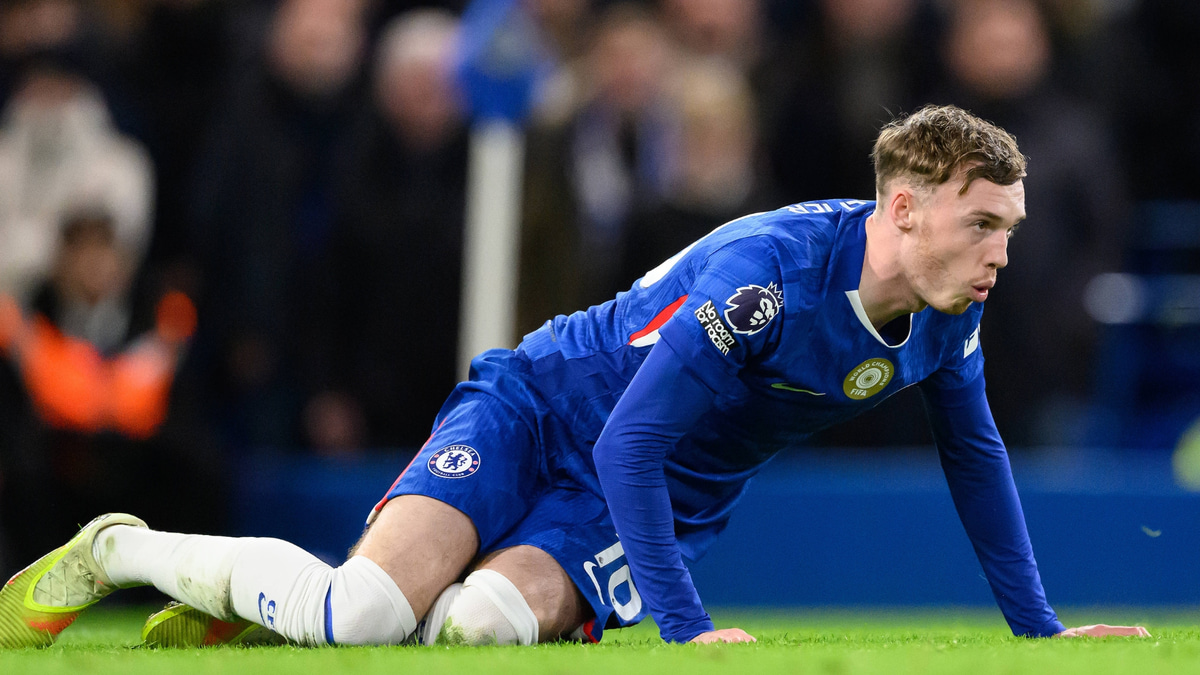
The likes of Cole Palmer, Lamine Yamal, Nico Williams and Franco Mastantuono have all struggled with it at various points throughout the campaign. However, pubalgia is not a new phenomenon in football.
On the contrary, Argentine megastar Lionel Messi has been dealing with it for the best part of 22 years. Through careful management of the problem, he has been able to continue playing at a world-class level.
But what actually is pubalgia? Well, it's complicated. Often described as a "mystery injury," pubalgia isn't actually one specific issue. It's an umbrella term that describes several chronic problems in the lower abdomen and groin area.
Adductor tears, abdominal strains or hernia-related problems can all be classified as pubalgia. This explains why players have vastly different recovery timelines despite ostensibly suffering from the same injury. Palmer, for example, has missed a huge part of the season, while Yamal only had to sit out a few games.
Why attackers are more susceptible to pubalgia
According to high-performance specialist Geoff Scott, it is no coincidence that attackers and particularly wingers are more at risk of suffering from pubalgia.
“Wingers and wide players are particularly vulnerable to groin problems because their game demands repeated high-speed running, rapid changes of direction, and explosive acceleration and decelerations,” he told The Athletic in December 2025. “These movements place a significant load on the adductor complex, especially when sprint volumes increase sharply.”
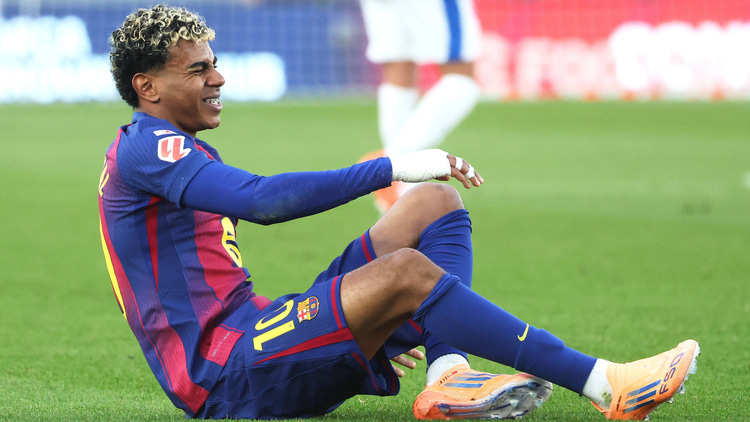
Age also plays its part because certain parts of the male skeleton don't fully develop until the early 20s, leaving younger players more susceptible to pubalgia. Messi was 17 when his groin problems began. Yamal and Mastantuono were 18, while Palmer and Williams were 23.
The recent rise in pubalgia cases across elite football can be put down to the increased demands placed on young players. Loaded schedules with little rest between games increase the risk of groin injuries.
Palmer and Mastantuono barely had a pre-season due to playing in the Club World Cup with Chelsea and River Plate, respectively. They are also full internationals, as are Yamal and Williams.
The chronic nature of pubalgia has led to claims that it is "incurable," but this is simply not true. According to former Man Utd physio David Binningsley, most pubalgia cases are tendon-based problems, which require six to eight and, in more extreme cases, up to 12 weeks to heal.
“Pubalgia is complicated," Messi said in 2019. "I have suffered from it for a while now. I do little training, and I can not play all the games. It is not a problem that can be solved overnight. I feel better now, but I still have not recovered, and I still need treatment.”
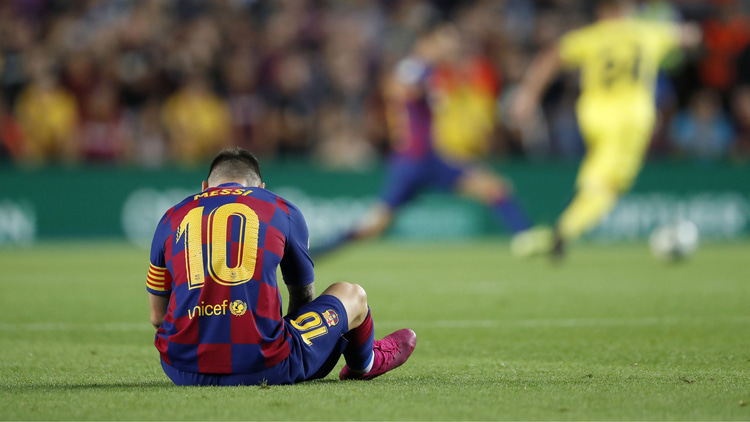
Messi's pubalgia problems have come in spurts. They first appeared in the 2004/05 season and came back with a vengeance in 2016. He has continued to suffer from it.
However, most pubalgia cases can be cured through targeted treatment and isometric exercises (static strength training), although more serious afflictions may require surgery.
The myth that it is "incurable" stems from the fact that it can easily reoccur if an athlete is not given enough rest or rushed back into action. The relentless schedule of football puts players at risk of aggravating the issue or of suffering setbacks.
The FootballTransfers app
Check out FootballTransfers' new app for all of football's big storylines, transfer rumours and exclusive news in one convenient place directly on your mobile device.
The FootballTransfers app is available in the Apple App Store. Download here:
Read more about:
Premier League