
-
News
- 11 minutes ago
How I break football's biggest exclusives - David Ornstein
23 Jan 2026 06:01 CST |
5 min read

David Ornstein, one of the most respected football journalists of the modern era, has revealed how he goes about sourcing and breaking the exclusive stories that he has become known for.
Ornstein's byline is widely regarded as a stamp of authority, guaranteeing a well-sourced and well-informed story.
While The Athletic journalist has a catalogue of impressive exclusives to his credit, he recently enhanced his already glowing reputation by breaking the news of Ruben Amorim's sacking as Manchester United manager.
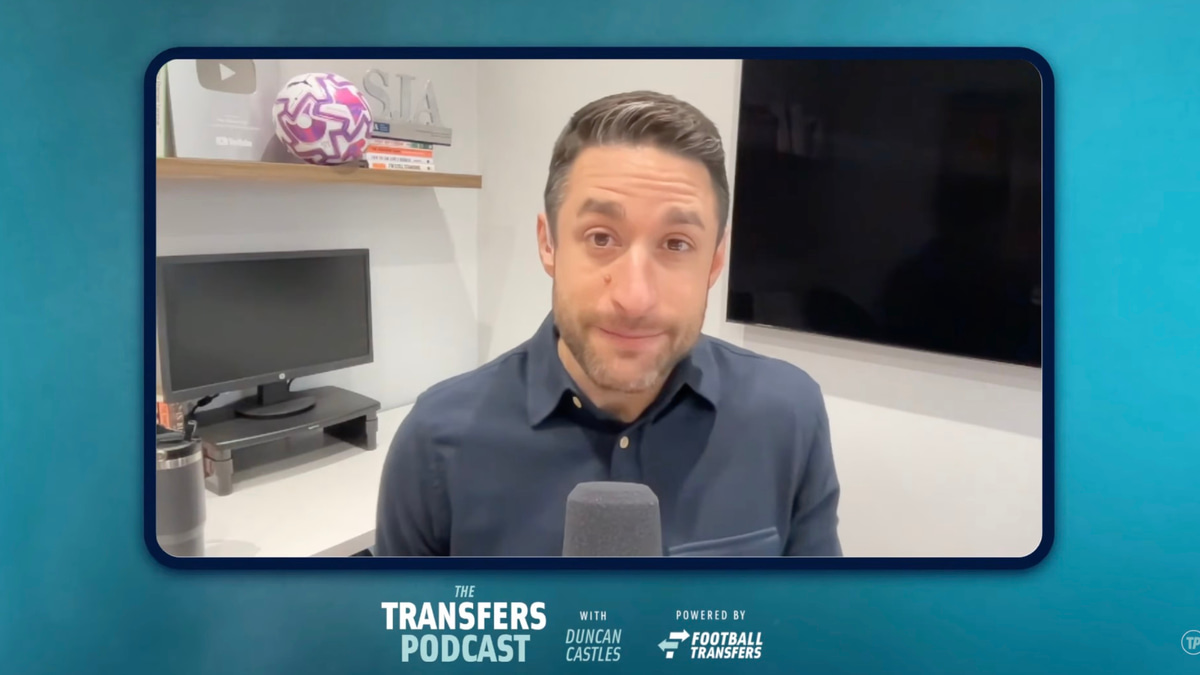
In discussion with Duncan Castles on The Transfers Podcast in conjunction with FootballTransfers and explained the processes that he has put in place that have become the bedrock of his success.
How David Ornstein finds and breaks exclusive stories
Ornstein explained that the secret to his success as a transfer insider is communication with as many different sources as possible.
He said: "I always say there isn’t a script or defined process for these things. There’s no manual and no magic potion. It’s about being across situations all the time and being prepared. That means being as well-connected as possible – with people directly involved, people on the periphery, and people who might be privy to information indirectly.
"In transfers, for example, you might not be able to reach the key figures, but if a player is leaving one club, that club might need a replacement, and you might be well-connected to another club whose player is being considered. Around all of these situations, far more people are involved than clubs often like to admit.
"Clubs will say it’s impossible you found out because only two or three people knew, but that’s rarely the case. In managerial situations and new contracts, there are administrative, medical, travel and financial logistics. There are teammates, family members and agents. The network is quite large, and people inevitably talk, as they do in all walks of life."
One thing can lead to another
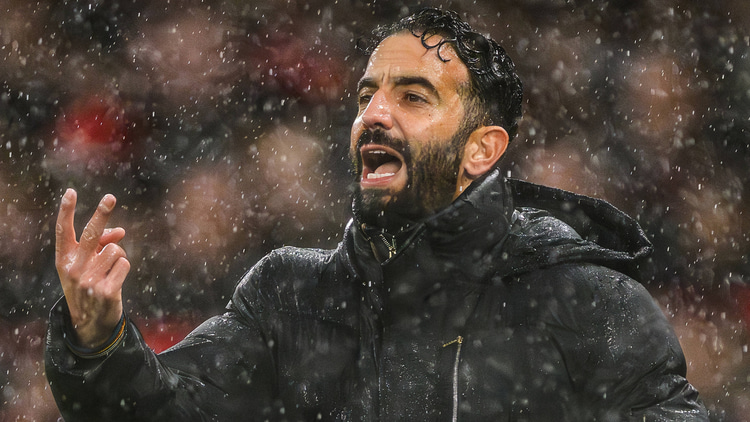
Ornstein revealed that, while the drama of Enzo Maresca's exit at Chelsea was unfolding, he was being told by an insider to keep a close eye on the situation at Man Utd.
"In this particular case, New Year’s Eve was heavily disrupted by the Enzo Maresca story," he explained.
"While working on that, and having conversations around Chelsea and what had happened there, people in the industry – agents, staff, players – were also talking amongst themselves. A few people, completely unrelated to Maresca or Chelsea, started mentioning that I needed to keep a very close eye on Amorim and Manchester United.

"They were saying it was coming to an end. At first you think, hang on, are we talking about Maresca? And they’d say no – there’s a parting of the ways coming at Old Trafford. So naturally you start digging, speaking to people you trust, people you’ve dealt with many times before.
"Bit by bit, it starts to come together. Then you have that very peculiar press conference from Amorim, which sets the alarm bells ringing further. He was downbeat, talked about no recruitment in January, and sent various signals that things weren’t right behind the scenes.
"Fast forward to Sunday and his now infamous post-match press conference after Leeds. That crystallised what had already been bubbling. When you’ve worked in this environment for years, you start to triangulate everything you’re hearing."
Transfer journalism is like a police investigation
Ornstein likened his process to putting together evidence in a police drama, and insisted that any story must be published with truth and integrity.
"I sometimes describe it like one of those police dramas, with a whiteboard full of names, faces and links between them," the transfer expert said.
"You map out how information flows and how things connect – hopefully without the criminality element in this case!
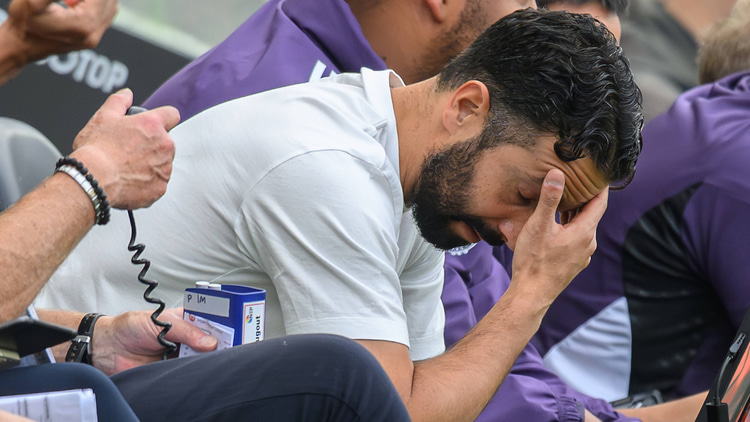
"By Sunday night going into Monday, conversations suggested Amorim was going to be leaving. At that point, you need to get the story over the line. You offer the right of reply to the club involved. In this case, it was just one club and one person.
"You also need courage. Clubs or governing bodies would often prefer the story not to come out, or at least want influence over how it comes out. Your role as a journalist is impartiality. They might be upset or angry, but it’s not your fault that these things are happening. It’s their issue.
"You try to be professional, balanced and fair. Sometimes you leave certain information out and return to it later when things are less sensitive or you’ve done more work. At that point, the key facts were that Amorim was being sacked and that Darren Fletcher would initially take over on an interim basis.
"Then comes the moment where you have to press the button. There’s always that small voice asking: "What if this isn’t quite right? What if it changes?" Sometimes that does happen. But you trust your experience, your judgment, your process, and the fact you’ve turned over every stone.
"You consult with editors and, once you’re beyond reasonable doubt, you go with it. That’s how you move from crumbs and tips to putting significant information into the public domain.
"Honestly, it’s the same process for a smaller story at a lower level. It might not have the same impact, and you won’t be as stressed, but the principles, ethics and standards are the same. If you respect that, you usually come out on the right side."
The FootballTransfers app
Check out FootballTransfers' new app for all of football's big storylines, transfer rumours and exclusive news in one convenient place directly on your mobile device.
The FootballTransfers app is available in the Apple App Store. Download here:
Read more about:
Premier League