-
News
Concerns raised for mental health of football managers due to 'over the top' abuse
3 min read
News

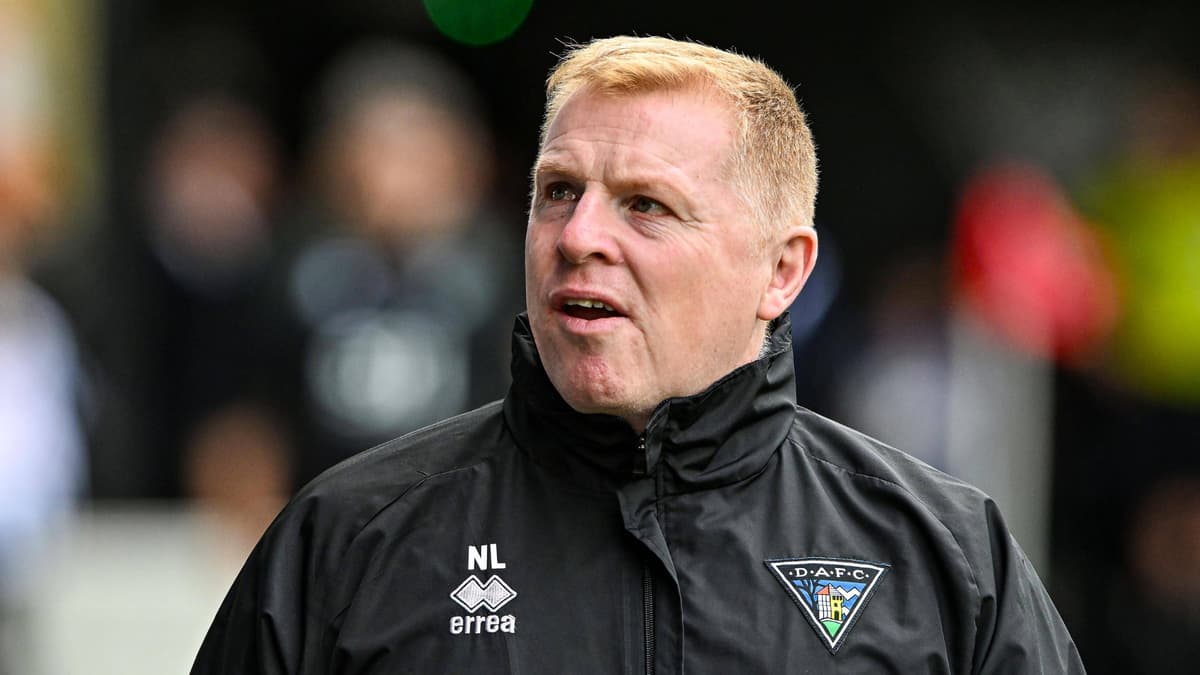
Neil Lennon believes that football managers do not receive enough mental health support.
If a team underperforms, while players come under a certain amount of scrutiny, it is usually the manager who pays the price, whether that be getting the sack or having to face the media as the main representative of a football club when things aren't going well.
Owners are more trigger-happy than ever to sack managers if they believe performances on the pitch are not good enough, and that puts managers in constant fear for their jobs.
Lennon has developed a thick skin over his 16-year managerial career but has been open about his battles with depression and mental health in the past.
"I do worry about managers sometimes, are they getting enough support, because they are thrown out there, we bare our soul every weekend in front of the public," the Irishman said, speaking to Dr Jagdish Basra on the Unmasked podcast.
"That's our livelihood; our team is a personification of us. If they do well, yeah, you get a pat on the back. If you don't do well then the abuse, the criticism comes.
"And a lot of it is wrong. A lot of it is way over the top now in this day and age. And a lot of it is instant."
Managers face intense scrutiny, from the elite level all the way down to grass roots and although Lennon thinks players have better resources for support in 2026, it is still lacking for head coaches.
"In terms of looking after manager welfare, there's not a lot up here in Scotland," he admitted.
"The League Managers Association is very good that way if you need to speak to someone or if there's counselling or if it's legal advice...
"But in terms of clubs, I think that's down to the relationship you have with your owner or your director of football or your chief executive.
"If you've got a strong bond then they might see something. You might be able to have conversations behind closed doors, privately to say 'I'm struggling here, I might need a bit of time, can you accommodate that?' or whatever.
"I think that all depends on the relationship you have with the people upstairs."
One piece of advice given to him by his former Celtic manager Martin O'Neill was that he should get comfortable quickly with the idea of being sacked.
"When you first lose your job, you're thinking, 'oh, this is...' You want everything to be perfect, you want to have a clear run [without things going wrong]," he said.
"But Martin said to me at one stage, 'there's one thing you're guaranteed about this job, Neil, you're going to get the sack'. And then once you get the first one and you realise it's not the end of the world, life still goes on.
"What I've learned to do is find that work/life balance a lot better and that's why I'm a lot happier and more comfortable in my own skin as a manager, but that comes with experience."
The 55-year-old began his managerial career at Celtic in 2010, winning three Scottish league titles during his first spell. He later managed Bolton Wanderers and Hibernian, guiding the latter to promotion to the Scottish Premiership in 2017.
Lennon returned to Celtic in 2019 after Brendan Rodgers' departure to Leicester and led the club to a domestic treble in the 2019–20 season. He resigned in 2021 before going on to manage Omonia Nicosia and Rapid București, before taking charge of Dunfermline in March of 2025.
In 2011, Lennon was attacked by a Hearts fan while managing Celtic at Tynecastle.
Read more about:
Championship