
-
News
- 19 Sep 2026
Bundesliga calls for better multi-club ownership regulation amid financial rule changes
4 Mar 2026 02:15 CST |
5 min read
Analysis

The Bundesliga has voted to bring its financial rules in line with UEFA, but some club chiefs want even more far-reaching reforms.
On Tuesday, the Deutsche Fußball Liga (DFL), the governing body of the Bundesliga and 2. Bundesliga, held its general meeting to outline the direction of German football over the next few years. Several issues were voted on, including a name change.
Starting from next season, the DFL will align its name with its primary brand and simply be known as Bundesliga. Additionally, the 36 clubs unanimously voted to create a new U21 league this summer.
Former Liverpool manager Jurgen Klopp, familiar with the concept from his time in England, has been a high-profile advocate of the creation of a new youth league for some time. The current highest level of youth football is the U19-DFB-Nachwuchsliga.
The other main topic of discussion was the implementation of new financial rules. Clubs were yet again unanimous that the Bundesliga's economic regulations ought to be brought in line with UEFA's Squad Cost Ratio (SCR) rule.
Bundesliga approves new SCR rule
Starting from next season, Bundesliga clubs will have to adhere to a new SCR rule that is virtually identical to UEFA's. Squad costs will not be allowed to exceed 70% of club revenue.
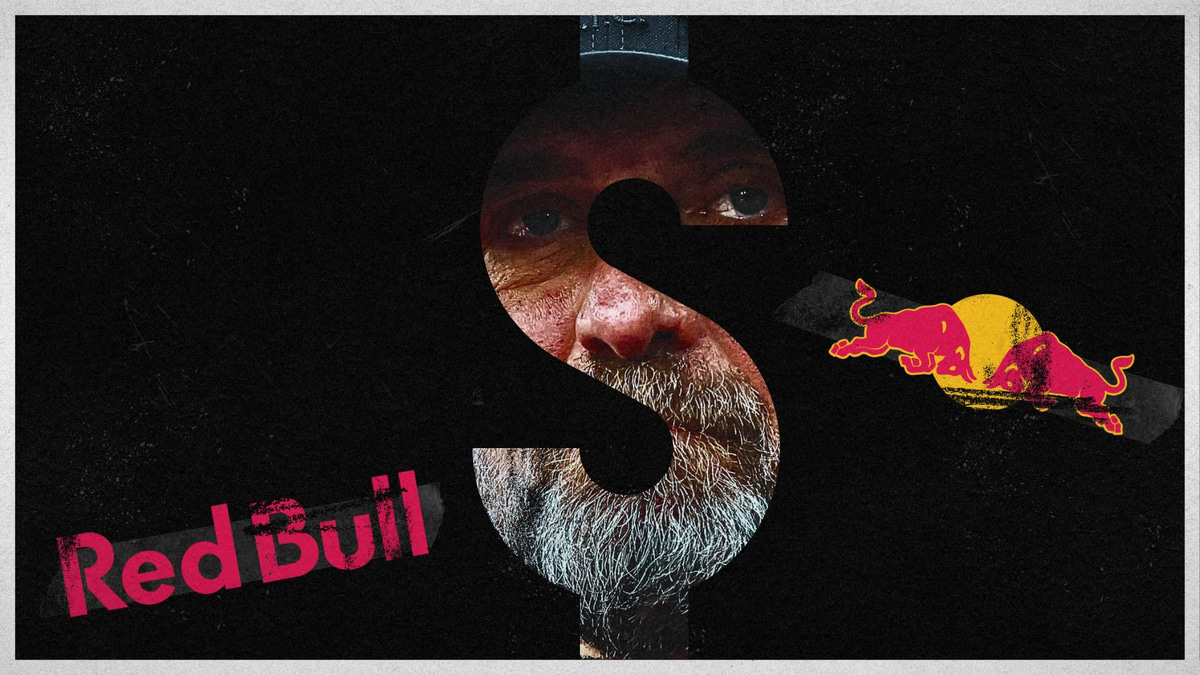
Artificial financial boosts from investors - such as Dietmar Hopp pumping €80 million into Hoffenheim in August 2024 - will not count as income. Sponsorship revenues from associated companies - like Red Bull (Leipzig), Bayer (Leverkusen) and Volkswagen (Wolfsburg) - will have to reflect fair market value.

The main difference to UEFA, according to the DFL, will be a more severe and clearly defined sanctions regime for clubs breaching the rule. German football chiefs believe that the financial punishments handed out by UEFA - such as the €31 million Chelsea were fined last year - are mere slaps on the wrist.
The DFL will look to implement a "transparent and clear system of monetary and sporting sanctions." Point deductions, transfer embargoes and even outright competition bans are in store for the worst offenders. Initially, however, the sanctions will primarily be of a monetary nature. The full sanctions system will only be implemented in 2028/29.
Despite this, the DFL has also acknowledged that exemptions will be allowed. "Financially sound" clubs that can cover losses through equity will be given "temporary leeway for higher squad investments." This is "in the interest of healthy competition." There will also be a distinction between clubs that play in Europe and clubs that do not.
Ultimately, then, this new system will mainly seek to prevent extreme cases such as Lars Windhorst acquiring Hertha BSC in 2019 and injecting €374m in a bid to get the "Big City Club" into the Champions League, only for them to end up broke in the 2. Bundesliga.
Indeed, critics believe that this new rule will do nothing to alter the status quo because the overwhelming majority of Bundesliga clubs already operate reasonably and sustainably.
On average, clubs hover around the 55% mark when it comes to expenditure versus income. Only very rare seasonal anomalies come anywhere close to reaching the 70% limit.
This new rule is seen as the first step towards more far-reaching reforms, which the DFL hopes will also be carried out at an international level, i.e, by UEFA. One topic that Bundesliga bosses believe needs to be addressed is multi-club ownership.
Hamburger SV CFO Dr. Eric Huwer is quoted by Kicker as saying: "We must now consistently continue down the path we have taken, especially with regard to the regulation of multi-club ownership."
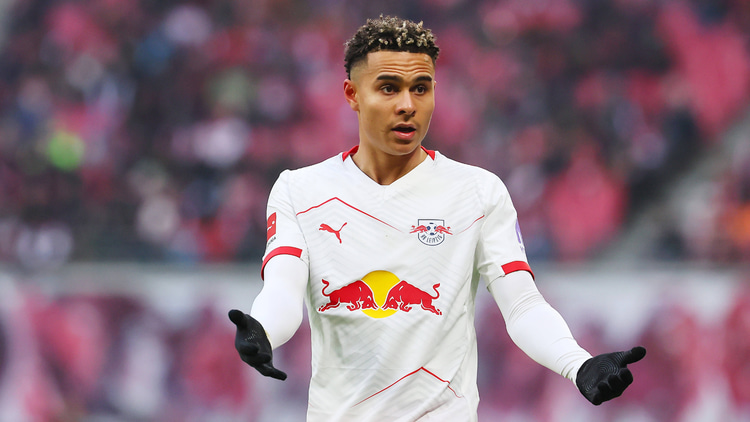
While common across Europe, MCO is still a rarity in the Bundesliga due to the 50+1 rule, which requires that club members must retain a voting majority, thus limiting the scope of external ownership.
RB Leipzig are the most well-known MCO example - they notoriously circumvented the 50+1 rule, hence the club's lack of popularity - but Hertha BSC, Augsburg and Kaiserslautern are also part of MCO. The concept of MCO has repeatedly come in for criticism from supporters, with reports of negative experiences widespread.
Belgian side KV Oostende, previously in the same network as Kaiserslautern, went bankrupt in 2024 and accused their ownership, Pacific Media Group, of having forced them to buy a player from AS Nancy for €5m purely to save this fellow PMG club from going bust, eventually contributing to their own demise.
That is just one example; there are countless others. Hertha's owners, 777 partners, alone have been accused of ruining several clubs. Better MCO regulation would be welcomed by most fans around Europe, or at least the ones outside of the Premier League. Proud clubs like Strasbourg and Lorient being relegated to feeder teams for English sides can't be healthy for football.
It remains to be seen what exactly the DFL has in mind for future multi-club regulation, but it is clear that European football will soon find itself at a significant inflection point where it will have to make a firm decision on how to handle the growth of multi-club networks.
The FootballTransfers app
Check out FootballTransfers' new app for all of football's big storylines, transfer rumours and exclusive news in one convenient place directly on your mobile device.
The FootballTransfers app is available in the Apple App Store. Download here:
Read more about:
Bundesliga