
-
News
- 2 hours ago
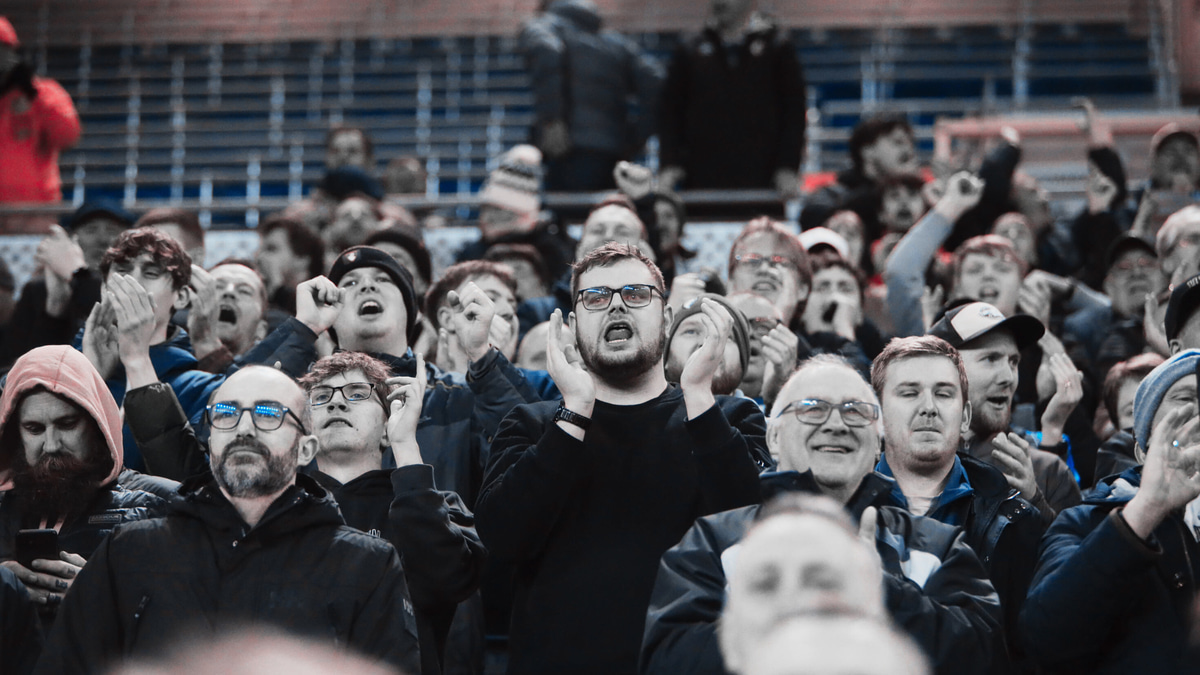
What would it take for you to stop supporting the football club you love?
31 Mar 2026 10:01 CDT |
Updated: 1 Jul 2026 06:30 CDT |
5 min read
News

What does it mean to be a fan of a particular team?
The reasons why a person decides to support a specific team can range from geographical, to historical, to family, to simply loving one player that blossoms into love for the club as a whole.
More often than not, football fans become connected with a club from a young age due to family allegiances, which in turn come from parents growing up in the same city or town as that club. It's a generational pattern that has existed for over a century.
In more modern times, younger kids are attaching themselves to specific players, so will support whatever team the likes of Cristiano Ronaldo, Lionel Messi or Neymar are playing for at that moment.
It does seem we're on the cusp of a change of what it means to be a fan due to the global nature of the game. Take teams like Manchester United, Liverpool, or Real Madrid, for example - they have fans in every corner of planet earth and so not all can watch on a weekly basis.
Fans being fans from the other side of the globe has caused friction on social media, too, as supporters born and bred in the city of a particular club feel closer to the culture.
"I wouldn't ever be able to. I've got them tattooed to me. I absolutely love my club. I go home and away, not missed a game since 2024," Dylan, an 18-year-old Oldham fan, tells BBC Sport, when asked if he could ever stop supporting his club.
"If I had to stop going to games, I would still follow the results.
"When you get brought up as a football fan, it's supporting your team no matter the result.
"We've been in the Premier League and down as low as the National League. Yes, I prefer the win and the three points, but it's not about that, it's about the atmosphere, the people you meet and just the team in general."
"You've got to stick through the thick and thin. That's what makes football, football," Wolves fan Reco added.
"I'm sure we all know a glory hunter here and there, but it's not what being a football fan is about. It's about the highs and the lows. I've seen us play down in League One. I've seen us play in the Europa League and at Wembley.
"Right now, it's not going so good, but the journey is what makes being a football fan worthwhile and it's what gives you a closer connection to your team and the fan base around you who share that love for your club."
The emotional connection
Dr Richard Simpson, a psychologist at Leeds Trinity University, has sought to explain the emotional connection between a fan and their club
"Watching a football game can sometimes be a reflection or window into other people's lives of their hopes and desires," he said.
"I think there's multiple levels of attachments people develop, they form a love for their team, for their community. It's not a romantic love but we build emotional bonds, we create memories and experiences. If we look at social media for example people sometimes have their club as part of their name, so they lead with that. It becomes who they are."
Unfortunately, fans are being treated as consumers more than fans more than ever in the game, with season ticket prices rising on a yearly basis and the price of replica kits becoming ridiculous.
That has led to lethargy among some fans, including former Manchester United die-hard, Steve.
"My first game was in 1978, at home against Spurs. Most of my family are [Manchester] City fans but all my friends supported United, so I had to choose between being popular at home or at school," he says.
"In the end I choose school because I didn't want to be bullied.
"We were so lucky as United fans going through the [Sir Alex] Ferguson era, chasing titles and then building on that and trying to get to the next level of winning European trophies.
"I'd seen them win every single trophy, FA Cups in the 70s and 80s, the Cup Winners Cup in '91, Premier League titles and, of course, the Champions League in 1999.
"I always said that if United won the Europa League – the only trophy I'd never seen them win – I'd pack it in. So when they did that night in Sweden, it felt like the last piece of the jigsaw had been completed.
"When you finish a jigsaw you can either look at it and enjoy, or you can smash it up and start again. I didn't want to start again."
Steve admits the feeling has been one of liberation as he can now focus on other areas of his life such as family and friends and hobbies like horse racing.
"Listen, plenty of people pointed the finger at me when I was saying, 'I don't want to do this anymore', thinking it was in some way linked to United not being as good as they used to be," he explains.
"But everything just got tiresome, you know, and I just thought, how long do I want to keep running my life around something that doesn't feel like it wants me. To me, it was a pretty easy thing to do and it's easy once you make the decision to stop doing something.
"You'd be surprised how quickly it becomes background noise then."
In United's case, there are many who stopped supporting the club due to the ownership of the Glazer family.
FC United of Manchester was formed in 2005 in protest at the ownership and they currently play in the Northern Premier League.
The FootballTransfers app
Check out FootballTransfers' new app for all of football's big storylines, transfer rumours and exclusive news in one convenient place directly on your mobile device.
The FootballTransfers app is available in the Apple App Store. Download here:
Read more about:
Premier League