
-
News
- 14 minutes ago
Old-school heading is back in the Premier League - and it is raising health concerns
11 Feb 2026 09:01 CST |
4 min read
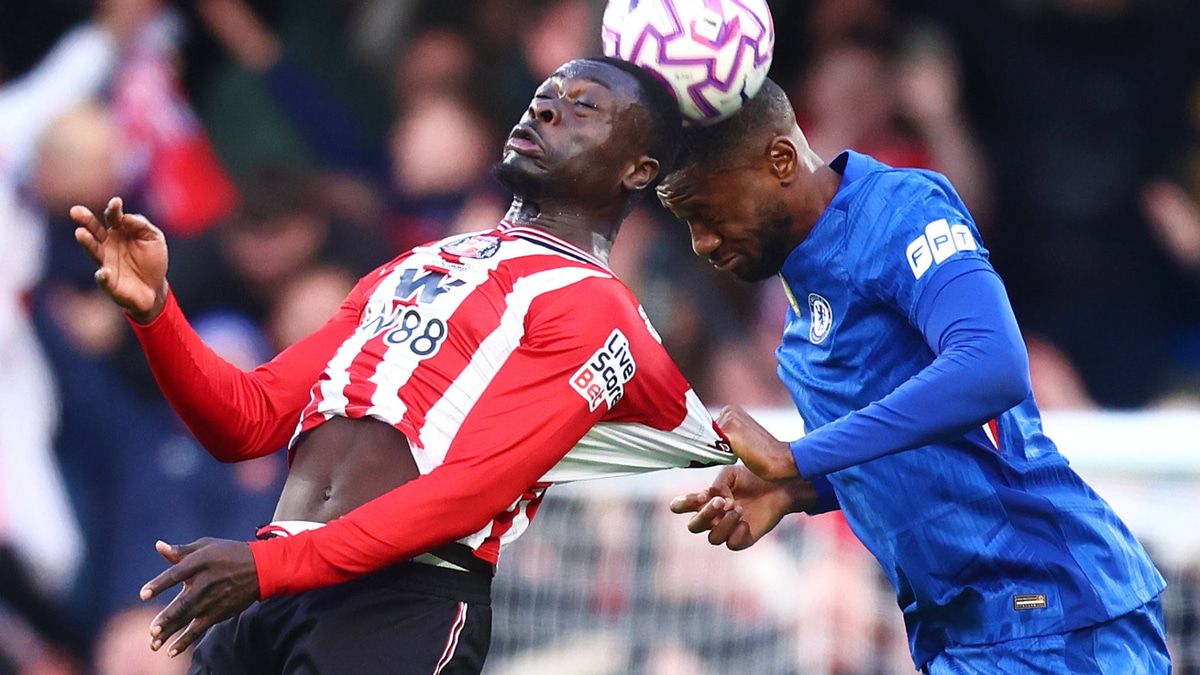

There has been a back-to-basics narrative about some aspects of the Premier League in 2025/26.
After a decade or so of teams attempting to replicate the Tiki-Taka style of Pep Guardiola - playing out from the back, retaining possession, waiting patiently for openings - there is now more of a focus on direct play and, in particular, set-pieces.
League leaders Arsenal have scored 49 goals this season, an admirable tally from 25 games played so far, but only 27 of those have come from open play which is the six-worst tally in the Premier League.
The Gunners rely heavily on set-pieces for success but their reliance also indicates a bigger trend within the top-flight.
Using Opta's definition of 'headed clearances', The Athletic has determined that there has been a 50% increase in these compared to two years ago.
In League Two in England, it's even higher, as 'higher-force headers' have increased by 100%.
According to official Football Association guidance, 'higher-force headers' are ones that in which the the connection is made with the ball after it have travelled 35 metres of more. So, effectively, it's a long ball.
When you combine the reliance on set-pieces and the increased long-balls, it means players are being asked to use their head much, much more than before.
This has raised concerns regarding potential future brain injuries, with the subject of chronic traumatic encephalopathy (CTE) in the headlines at the moment after it was confirmed that former Manchester United star Gordon McQueen's brain disease and subsequent death in 2023 was linked to CTE.
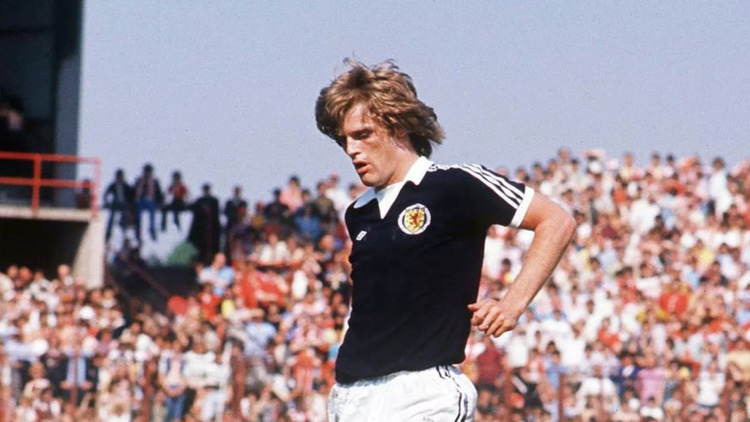
An inquest into his death was held in North Yorkshire in January and senior coroner John Heath told the court:
"I have found that Mr McQueen suffered repetitive head impacts during his career.
"I am satisfied that on the balance of probability that repeatedly heading footballs contributed to his developing chronic traumatic encephalopathy (CTE).
"The combination of CTE and vascular dementia led to pneumonia. I find the cause of death pneumonia, vascular dementia and CTE.
"It is likely that repetitive head impacts, sustained by heading the ball while playing football, contributed to the CTE."
Though the weight of balls a long time ago and the balls just now are similar, the older balls retained water a lot easier which subsequently made them heavier.
What is CTE?
The concept of CTE was thrust into public consciousness by concussion expert Dr Bennet Omalu, who published findings on an autopsy he did on former NFL player Mike Webster back in 2002.
Webster, who was a Hall of Fame Pittsburgh Steelers star, suffered amnesia, depression and dementia before his death at the age of 50.
Prior to Omalu's findings, CTE had only really been discussed as a threat to the lives of boxers who naturally receive numerous blows to the head.
The NFL did not truly embrace and acknowledge the link between the vigours of playing American Football and CTE until 2016 when the NFL's senior vice president for health and safety policy, Jeff Miller, testified before Congress, recognising that changes had to be made.
Football/soccer must change
Omalu believes that football/soccer is going down the same route as the NFL as heading the ball really does present danger to players, particularly in later life.
"Science has shown over the centuries that whenever the human head is exposed to repeated blows, there is a 100 per cent risk of brain damage," the professor told GOAL in 2017.
"Knowing what we know today, there is no reason why a child today should be jumping up and slamming his head to try to stop a ball travelling at a high velocity. That is silly. No matter how much we may be in love with soccer, the question we need to ask ourselves is: which is more important, the life of a child or the excitement of soccer?
"Which do we value more? Life or the fleeting moments of ecstasy? Obviously there is no question about it: life comes first.
"Children under the age of 18 should not be heading the ball. Children under the ages of 12 to 14 should not be playing soccer as we play it today because their brains are not sufficiently developed to handle soccer. They should play a new type of soccer that should be developed by the soccer leagues where there is less contact, less dribbling, less players and a bigger and lighter ball.
"If we refuse to acknowledge the truth of science, the long-term sustainability of soccer as an industry would be in doubt."
Read more about:
Premier League